
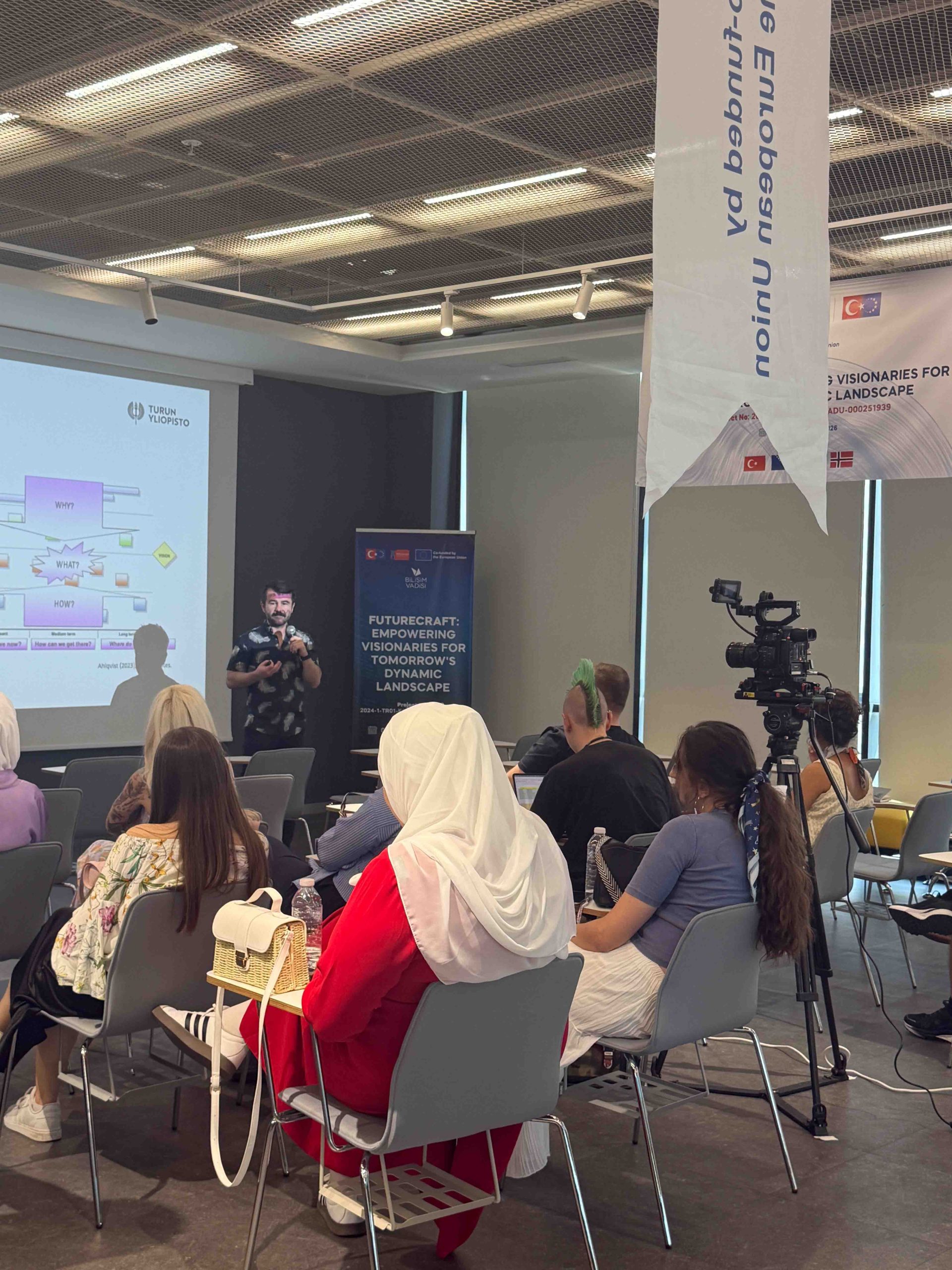
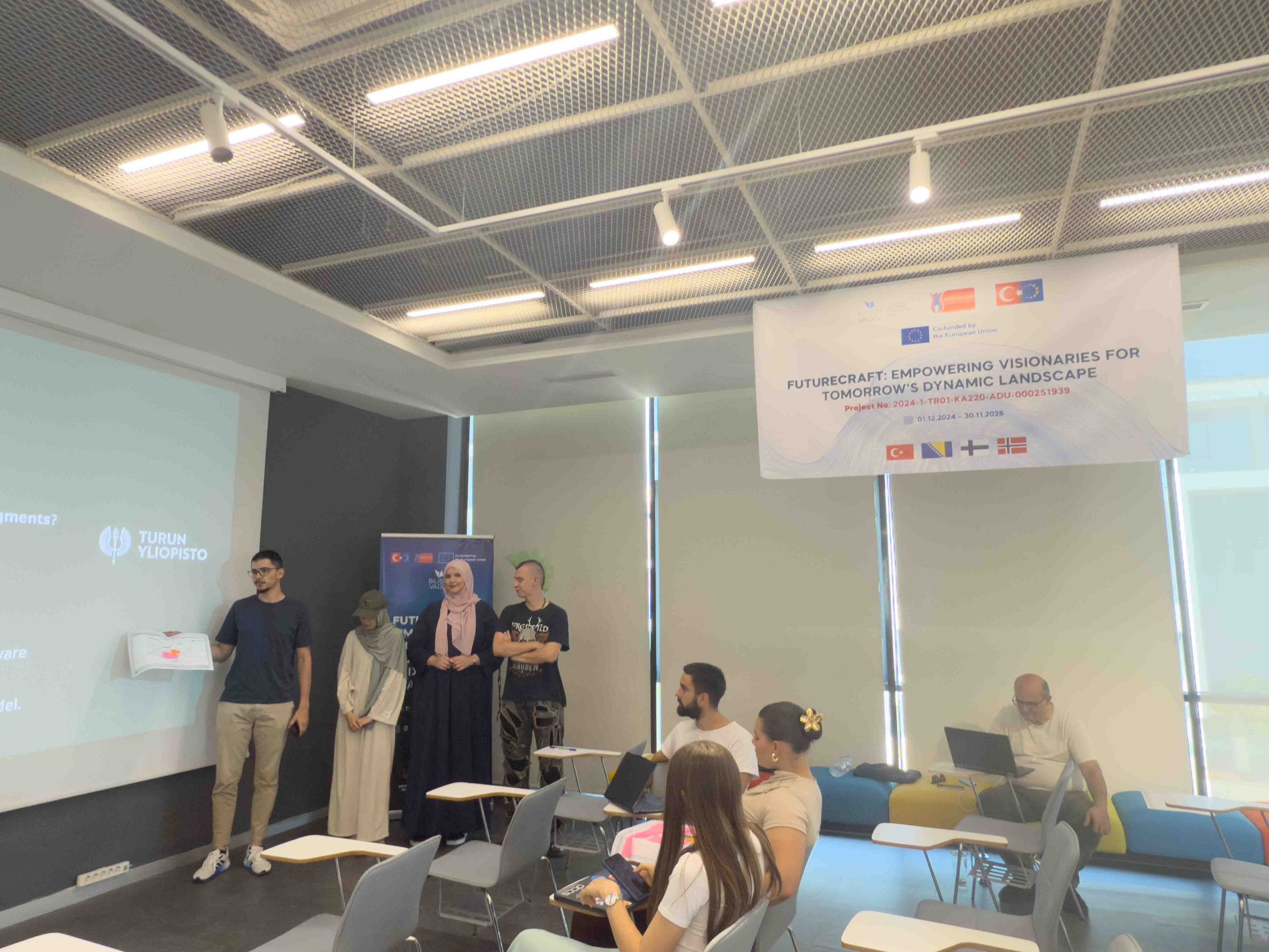
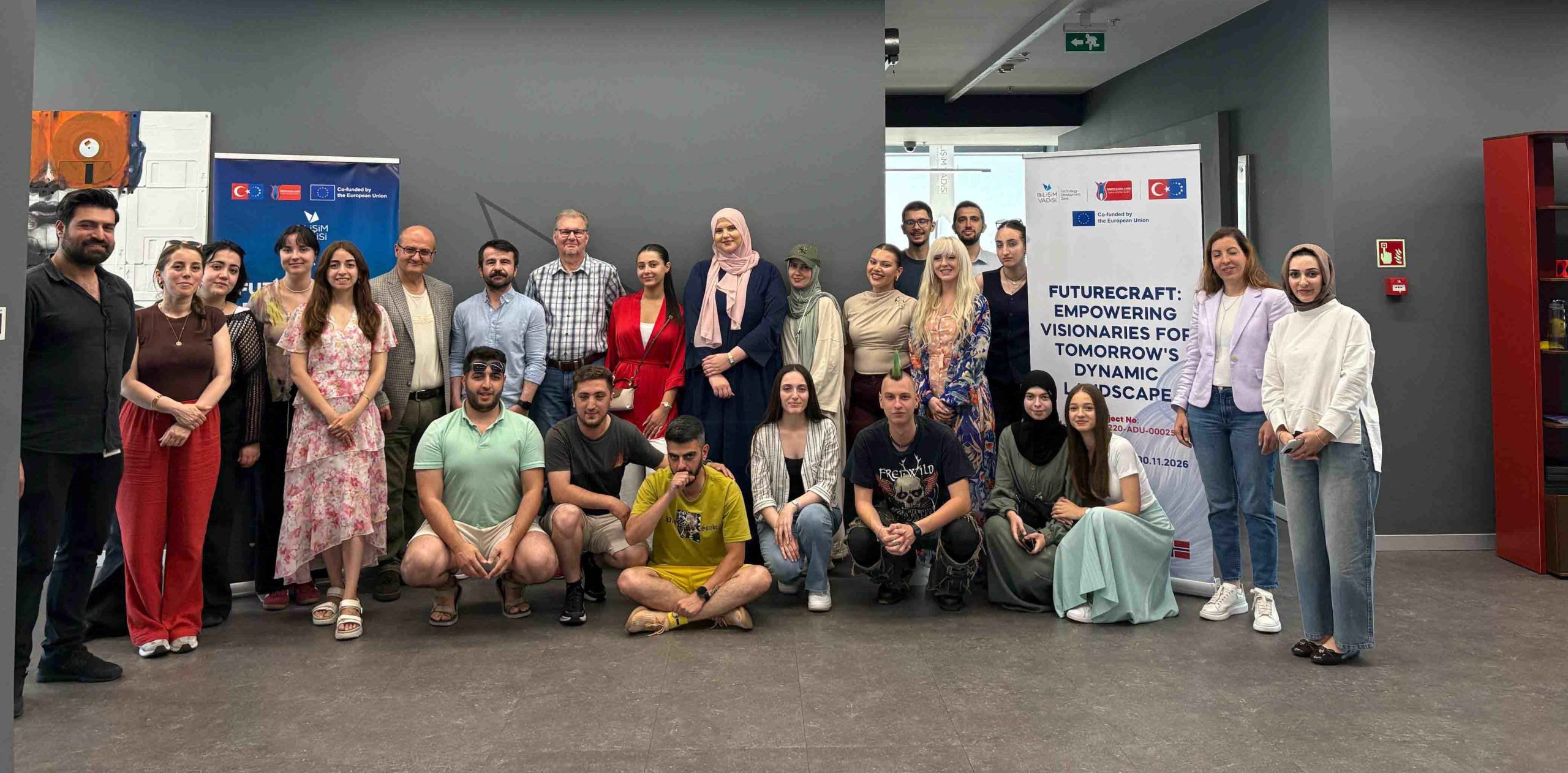





Within the scope of the 2024-1-TR01-KA220-ADU-000251939 FutureCraft: Empowering Visionaries for Tomorrow’s Dynamic Landscape – Future Literacy project, participants arriving from Bosnia and Herzegovina, Norway, and Finland successfully reached Istanbul Sabiha Gökçen Airport and settled into their accommodation. They were briefly informed about the activities planned for the first day of the event.
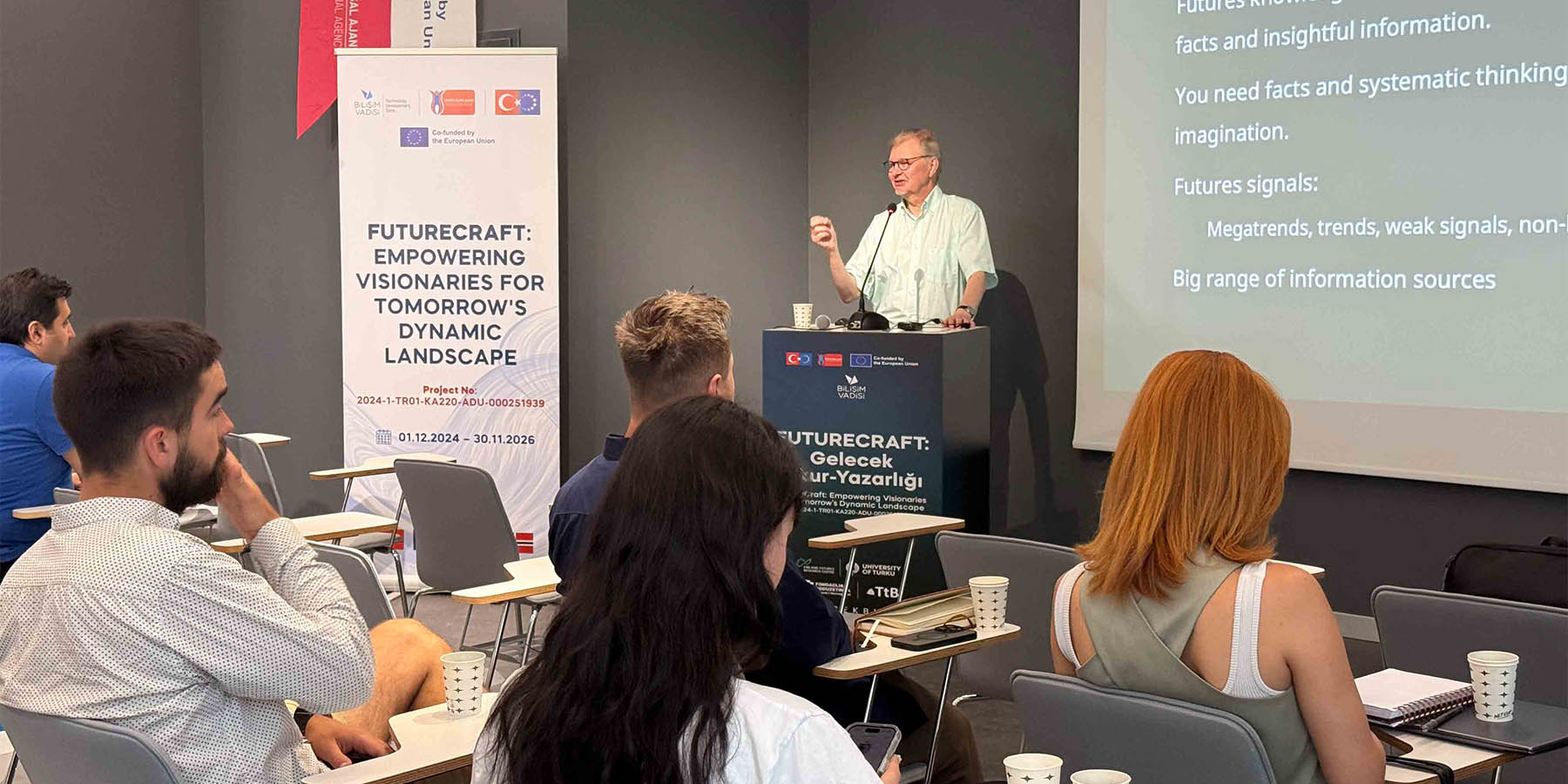
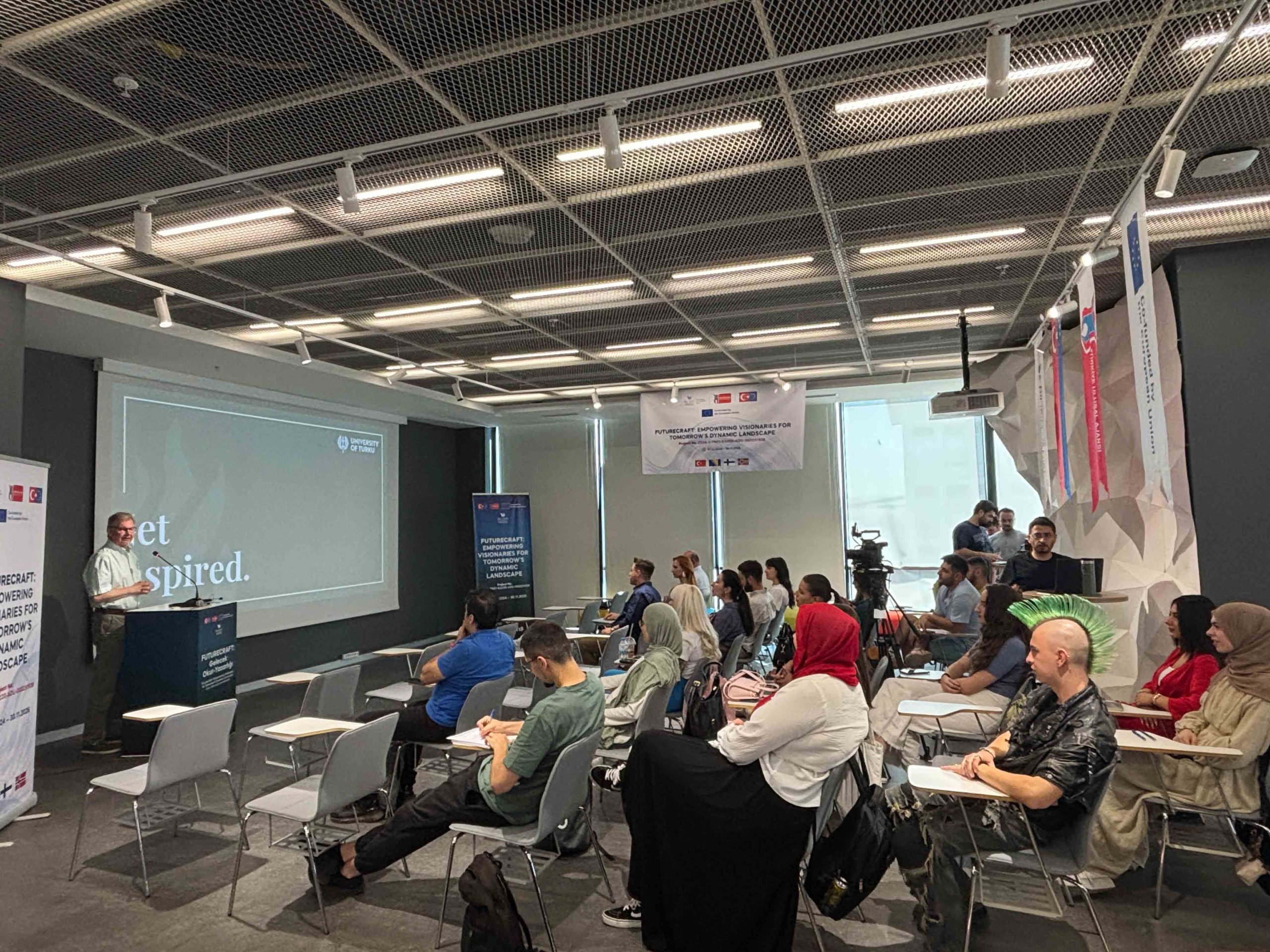
The first day of the LTT-1 training began with a comprehensive introduction to Bilişim Vadisi, followed by the official opening of the program. After the opening session, all participants introduced themselves in turn; during this introductory session, information was provided on the overall agenda of the event, the objectives of the program, and its content. Participants also shared their expectations, thereby actively engaging in the process.
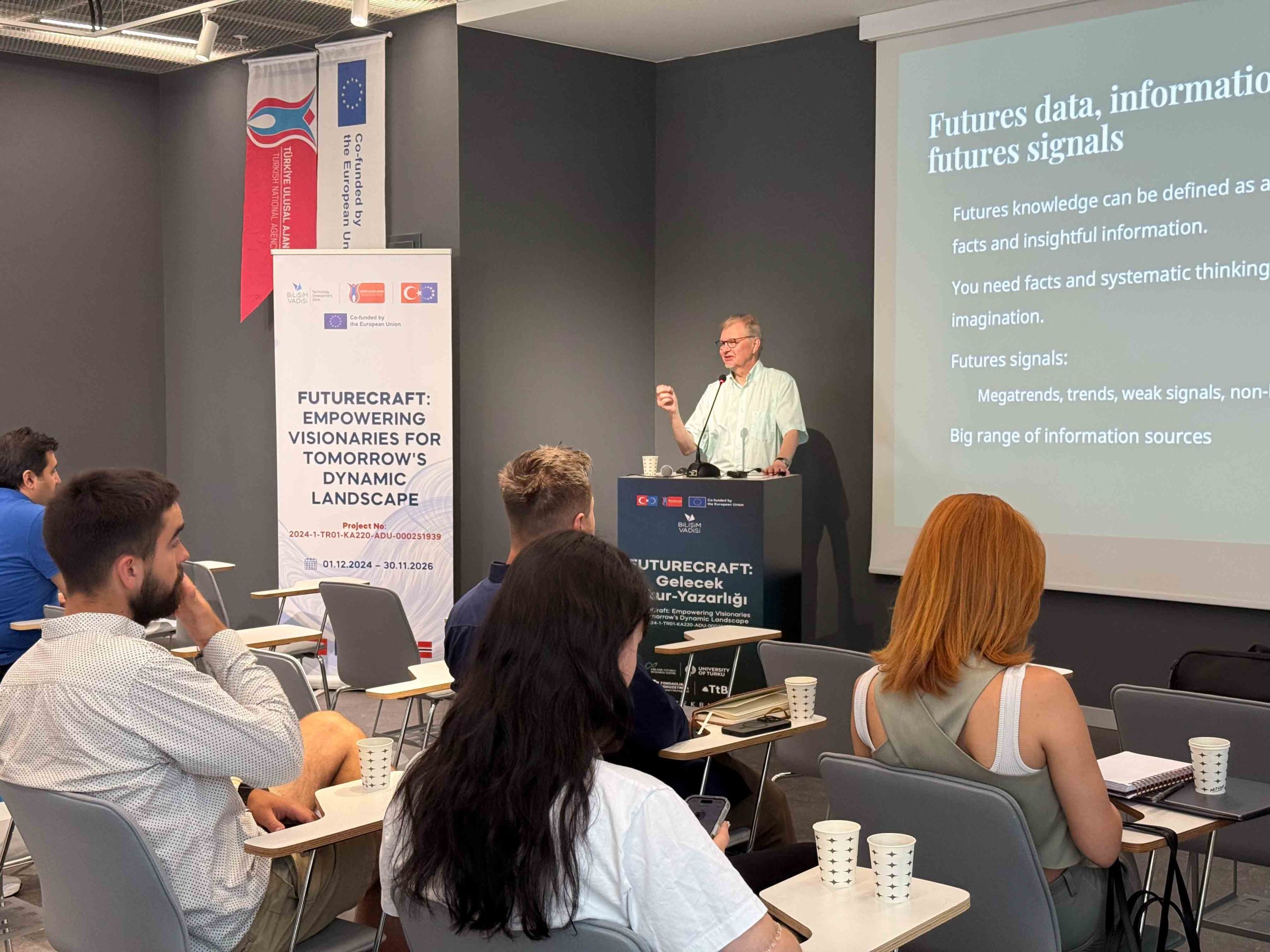
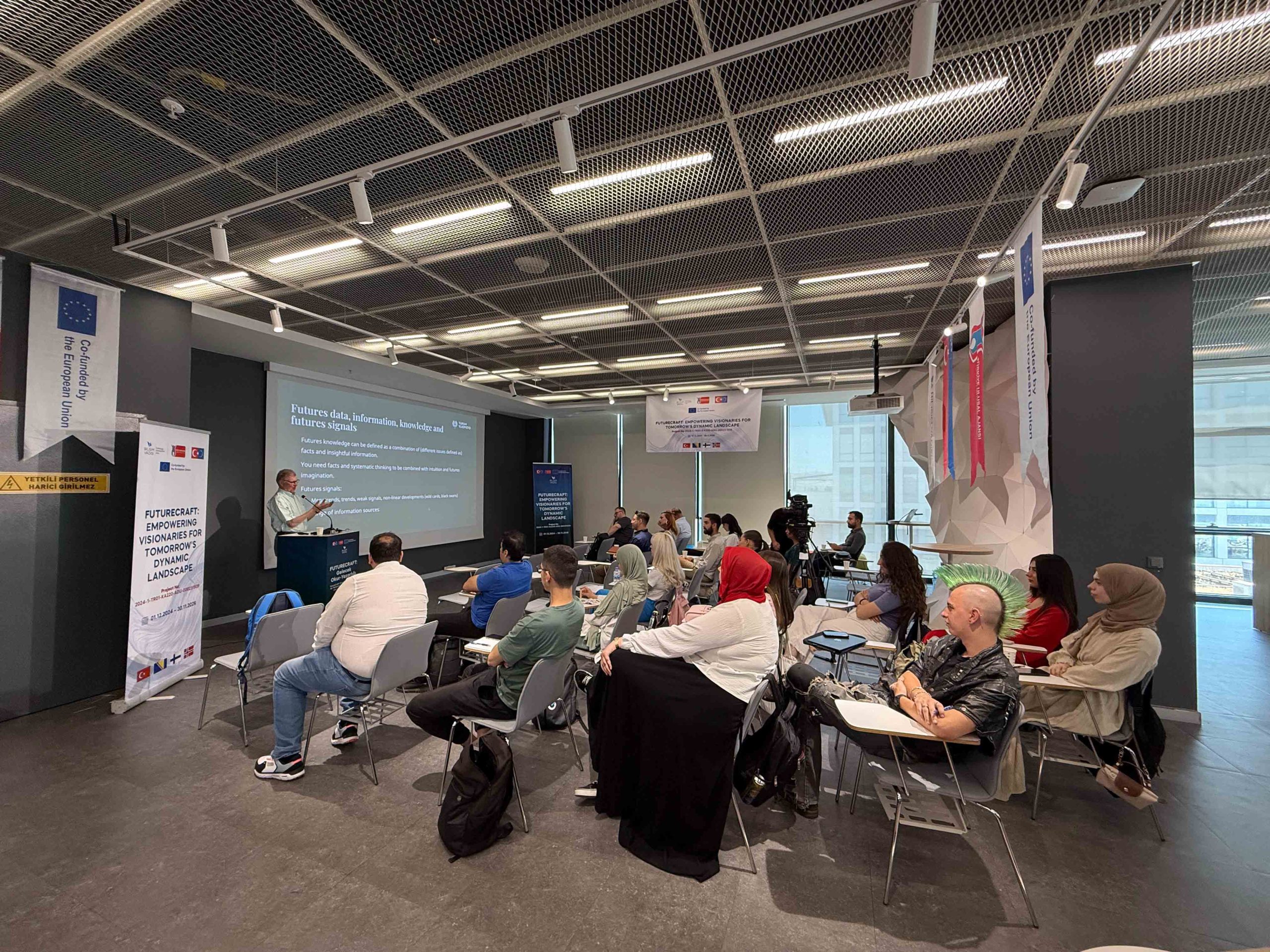
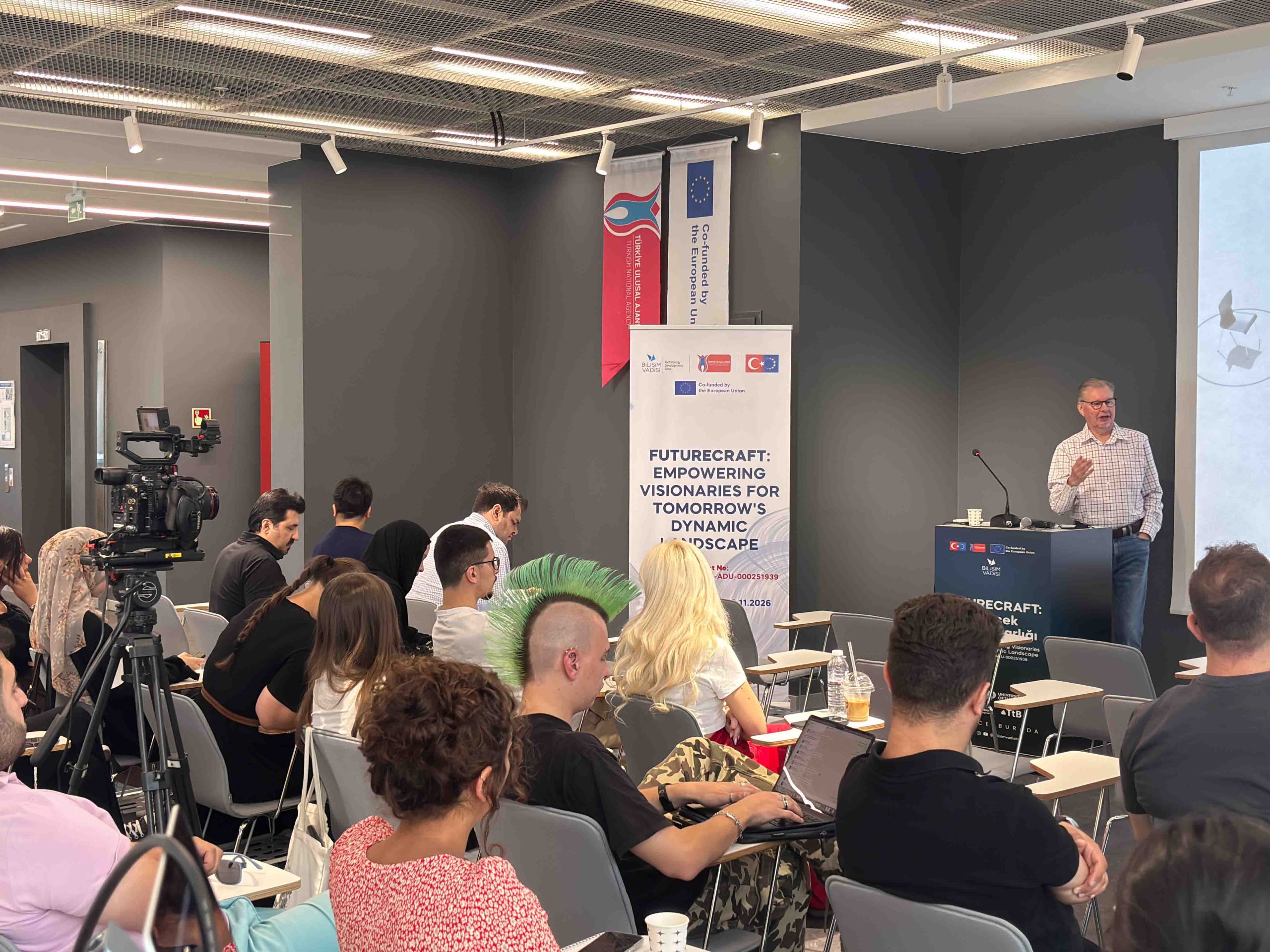
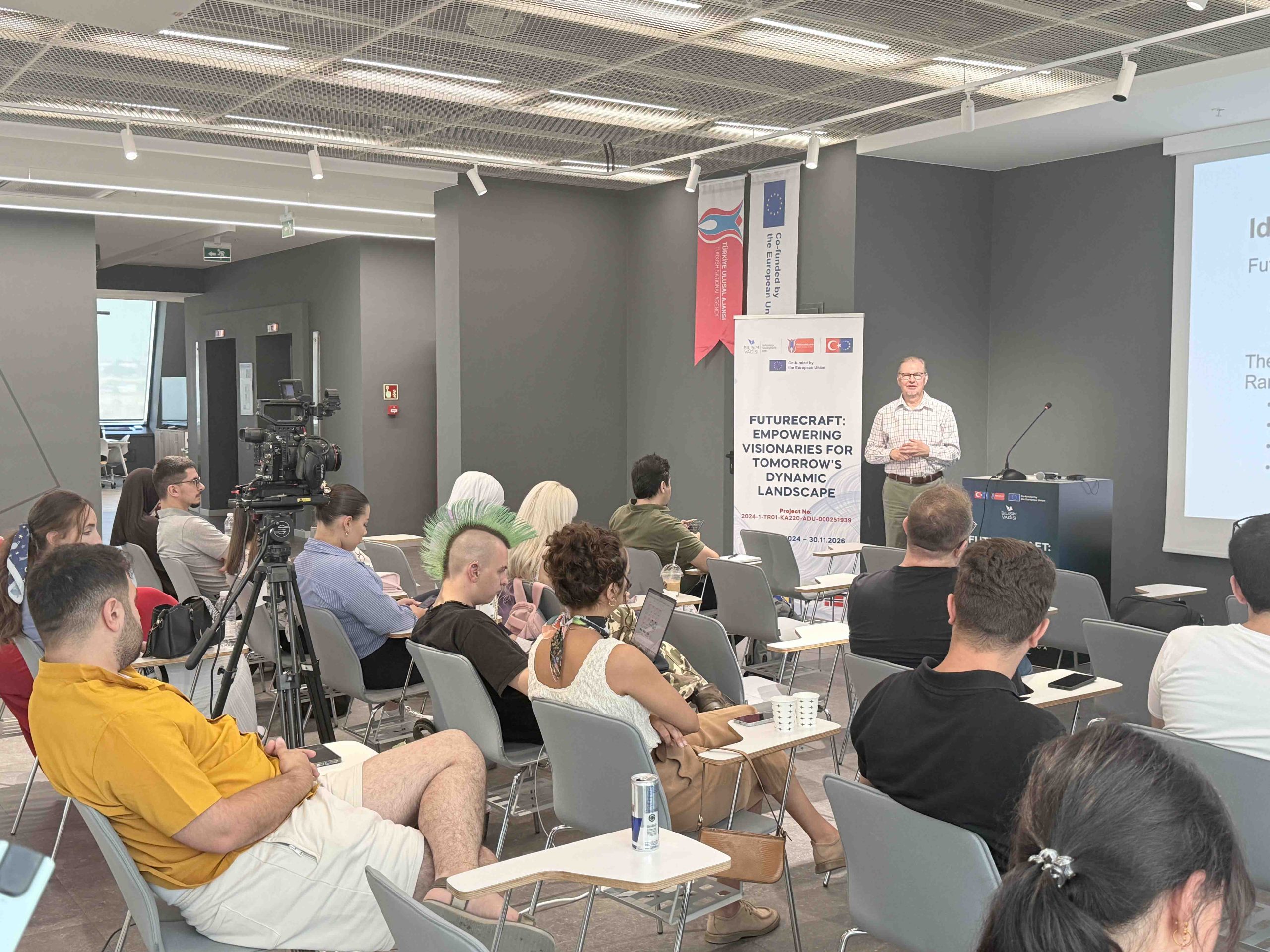
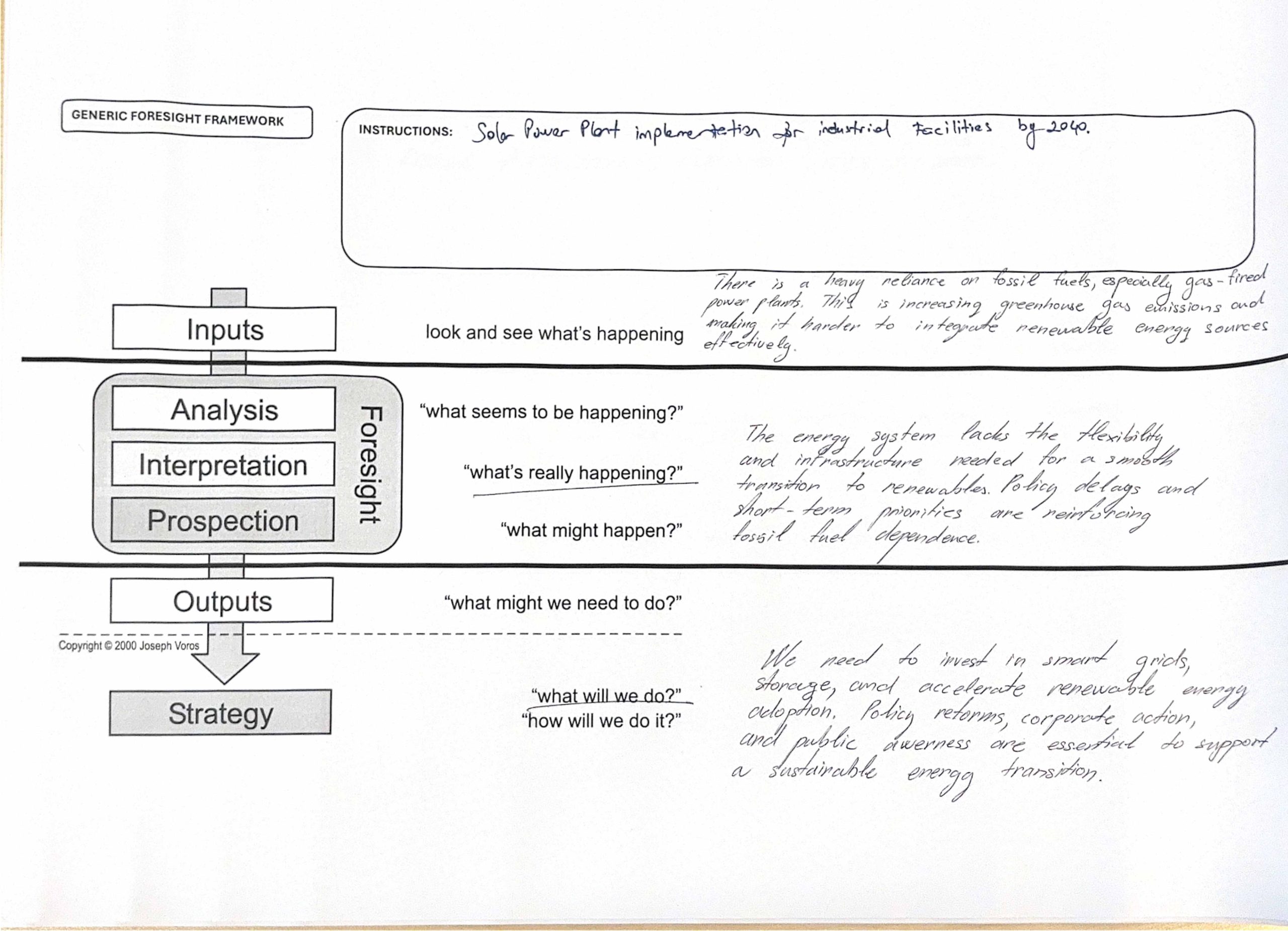
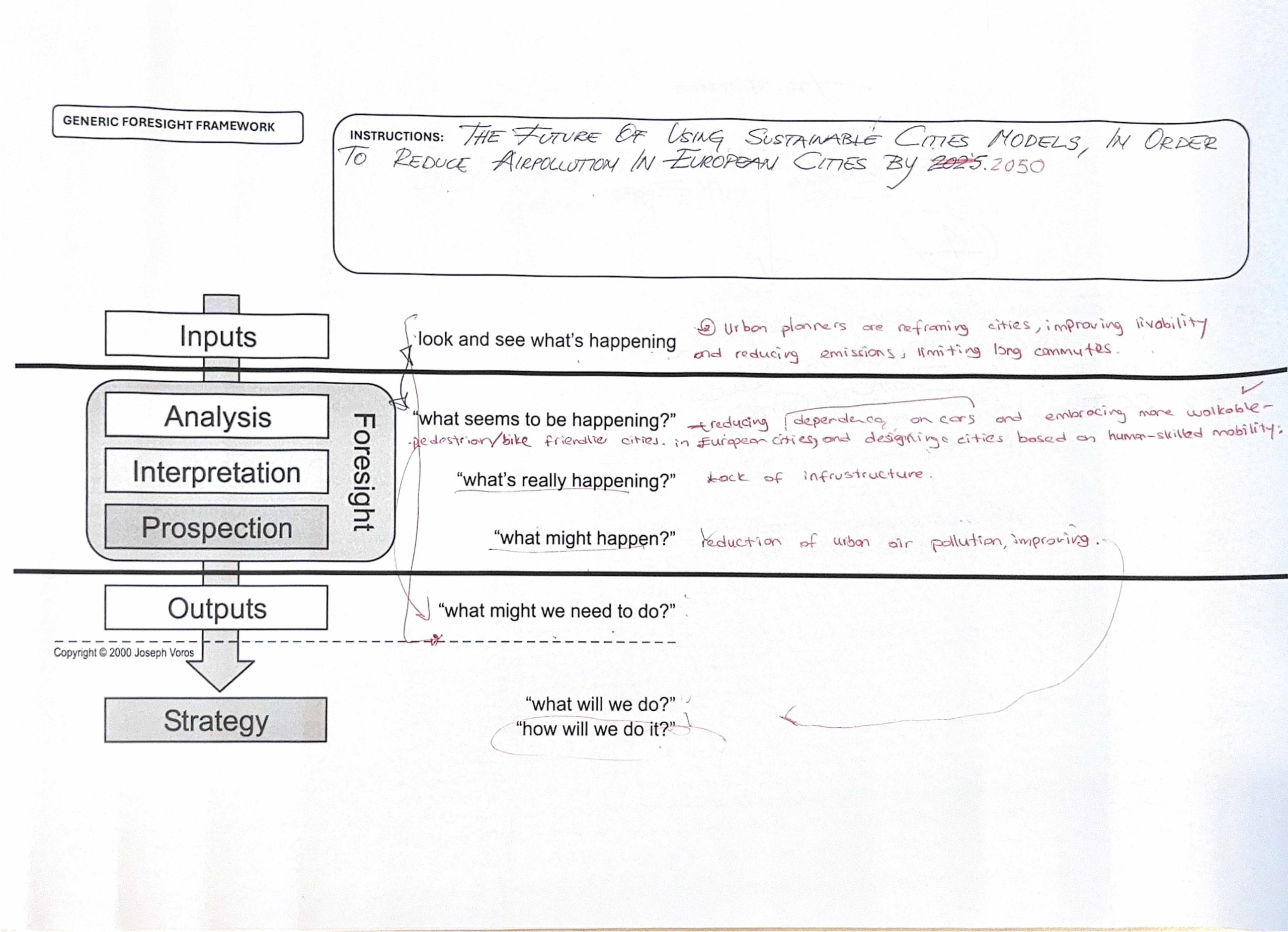
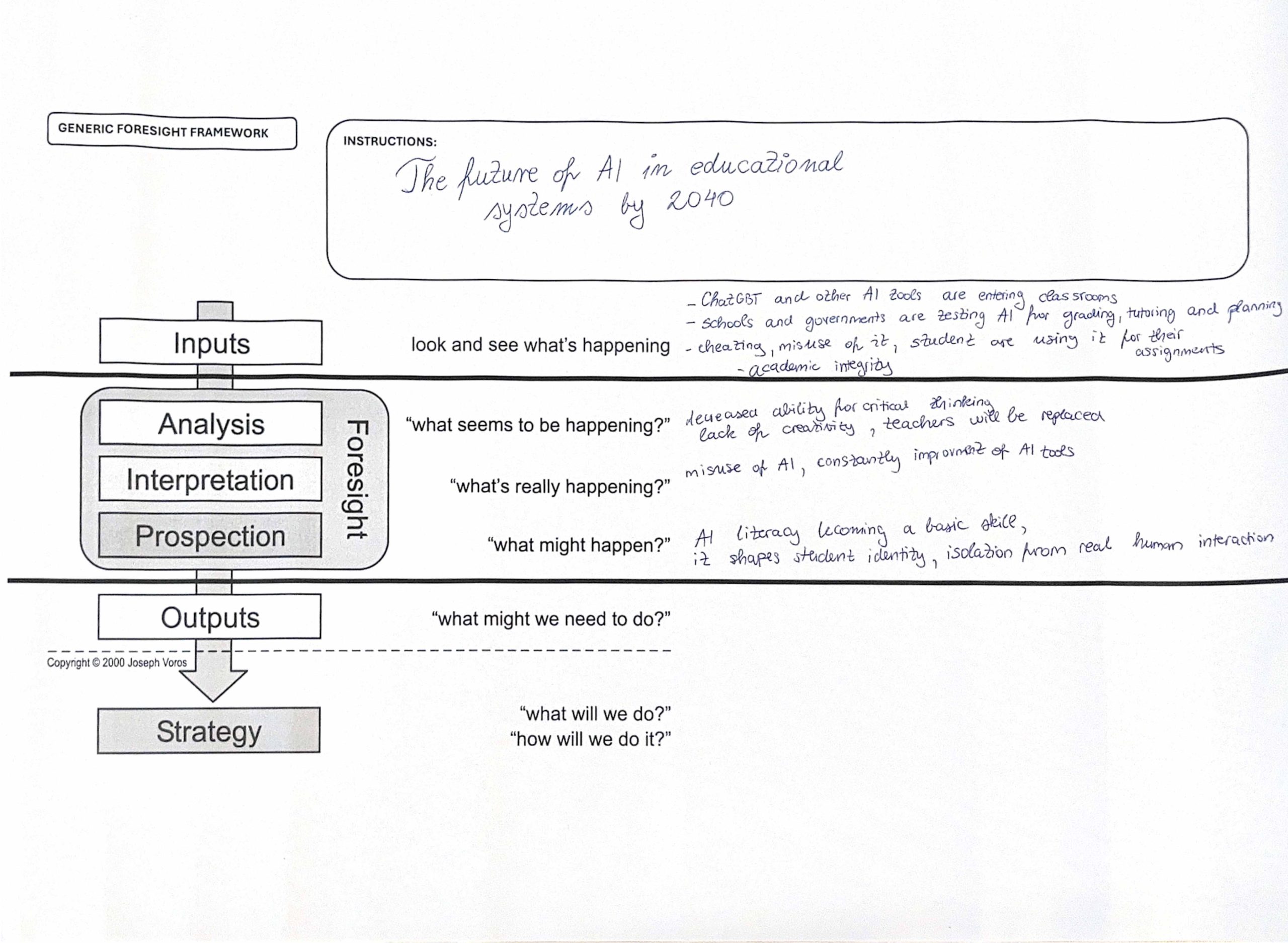
In the subsequent sessions, trainers introduced participants to the concepts of future knowledge and future literacy. The sessions included welcoming activities, the administration of the Futures Consciousness pre-test, and a comprehensive introduction to core foresight concepts such as alternative futures, scenarios, megatrends, and vision building. In addition, the Generic Foresight Framework was used to explain how foresight studies can be conducted in a systematic manner, and participants carried out practical exercises within the scope of workshops.
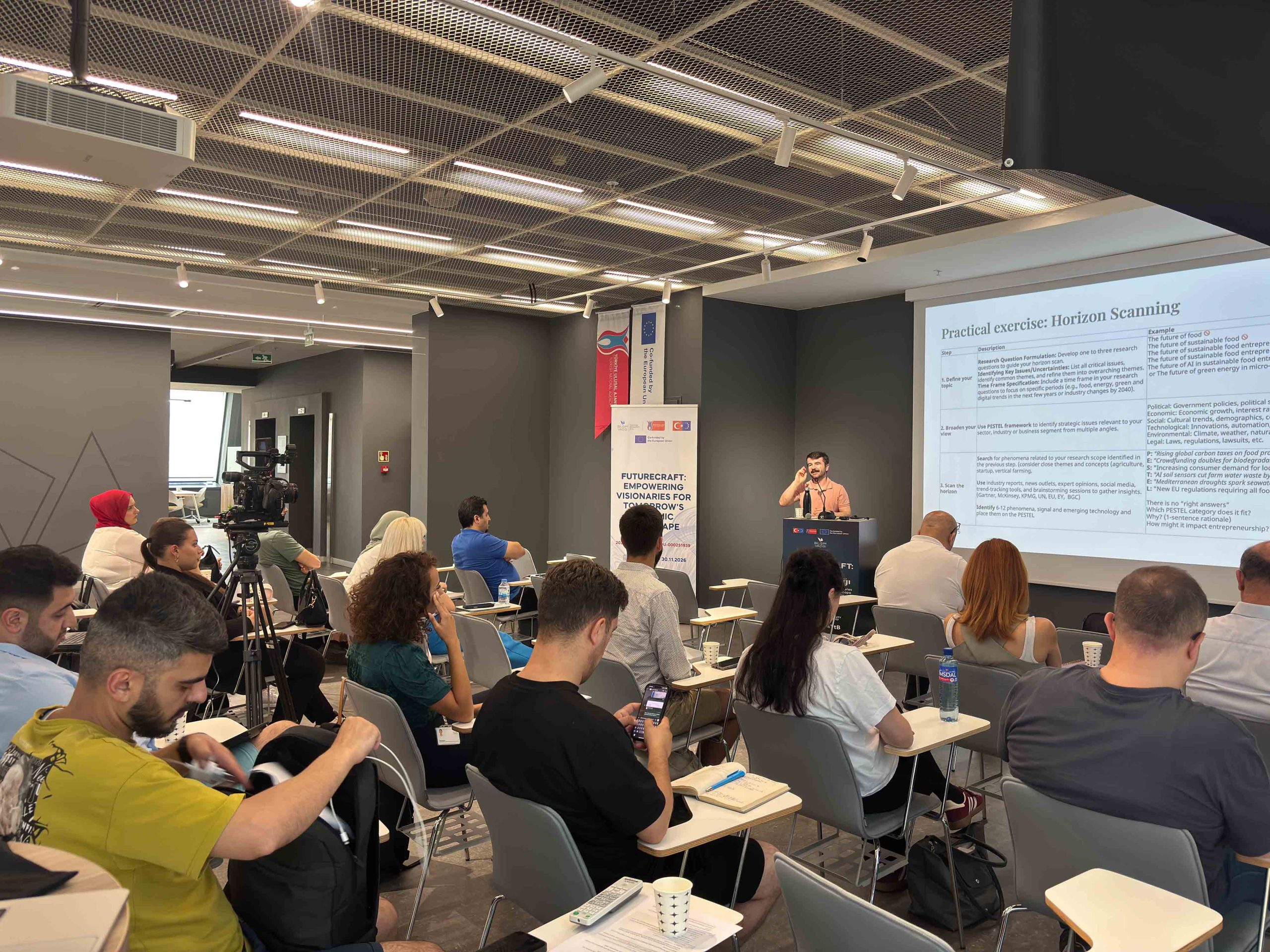
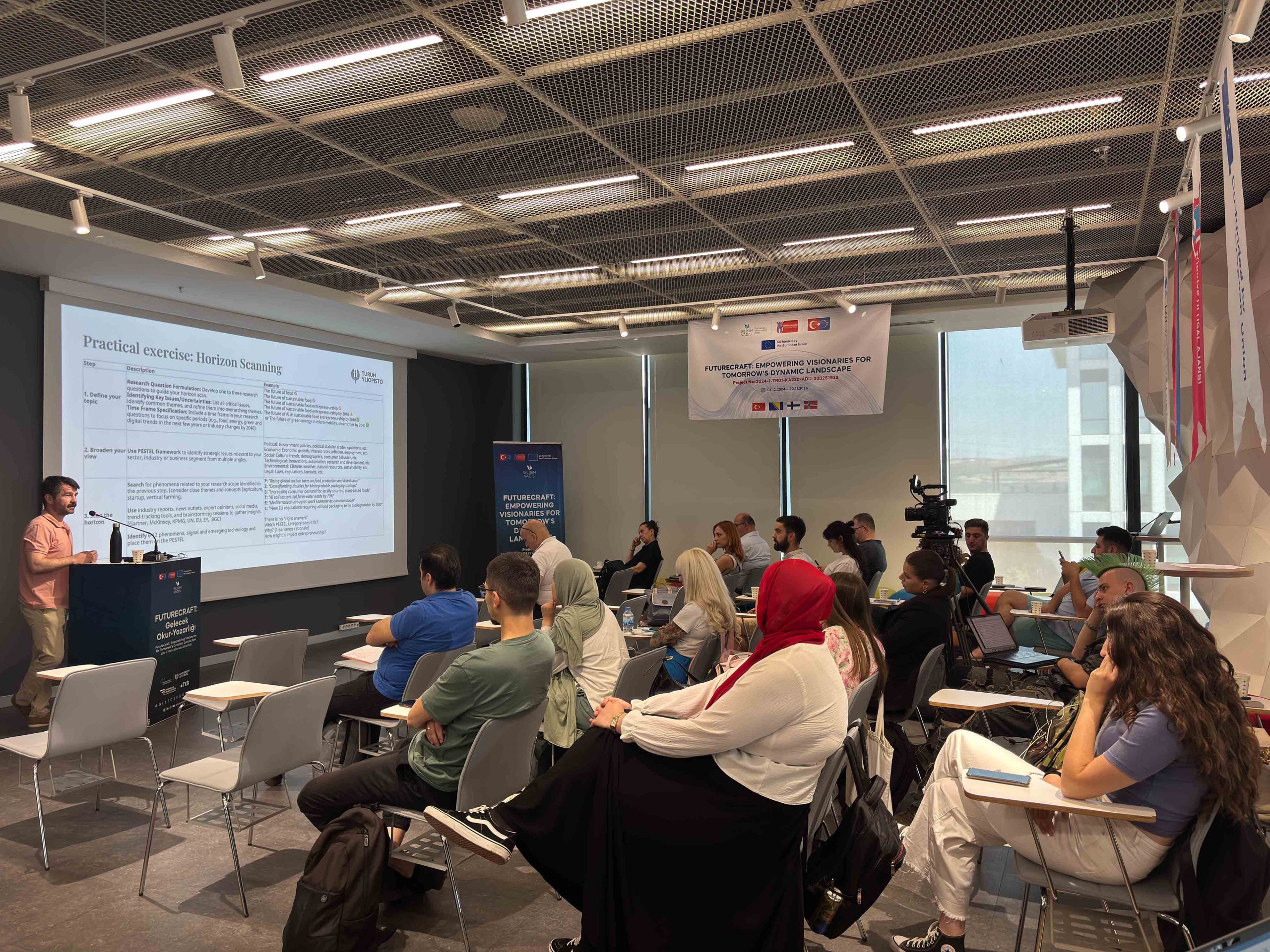
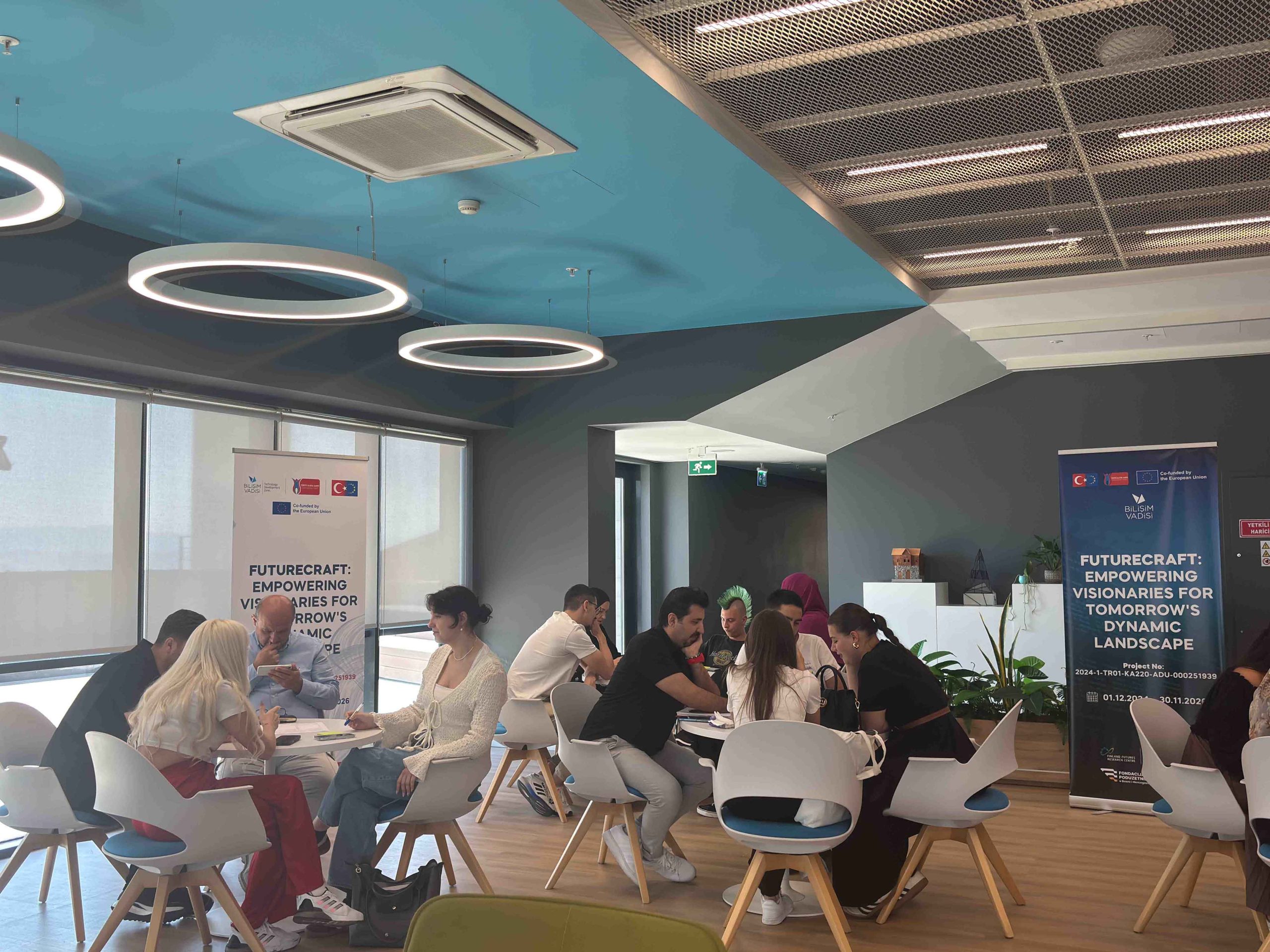
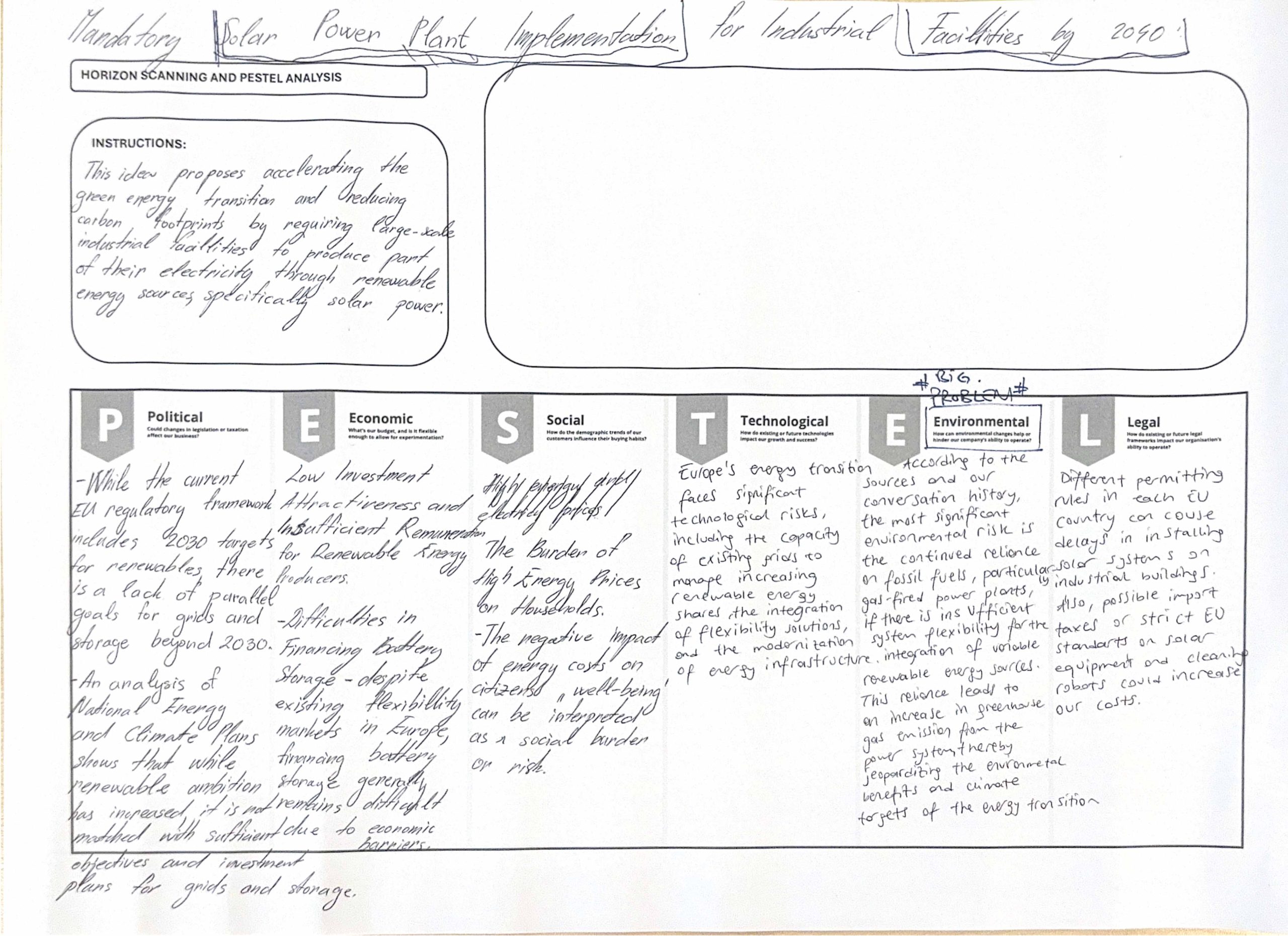
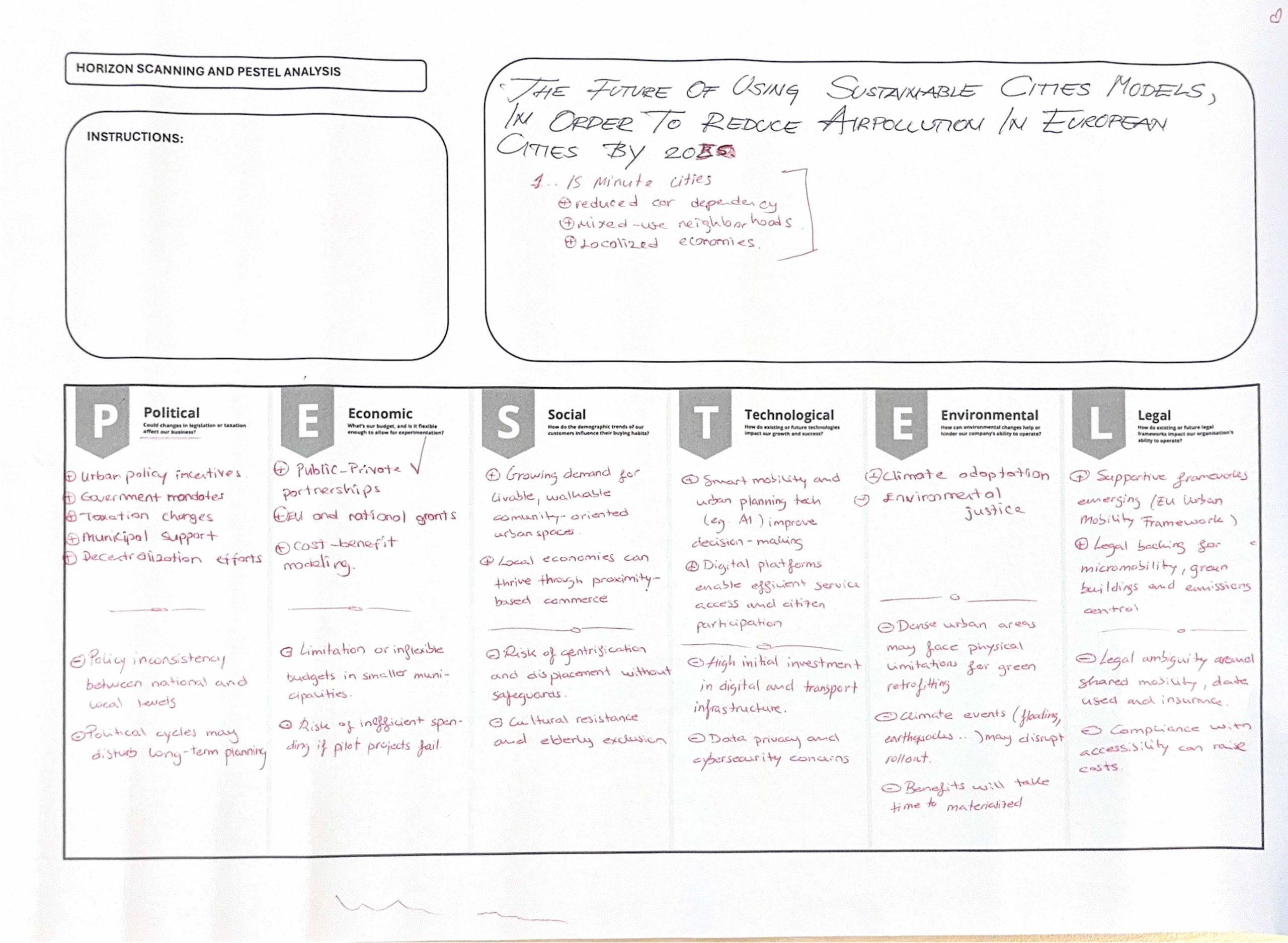
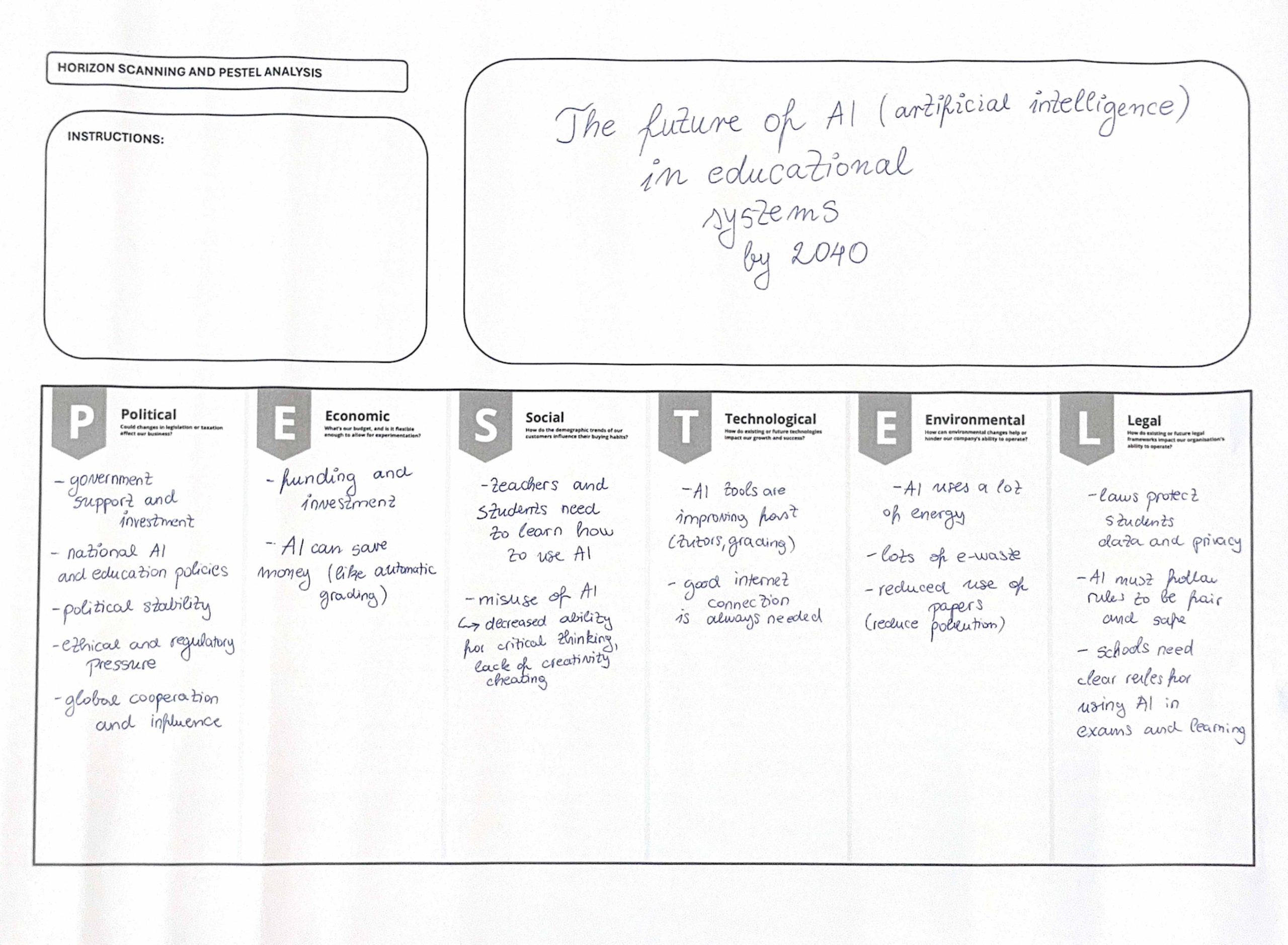
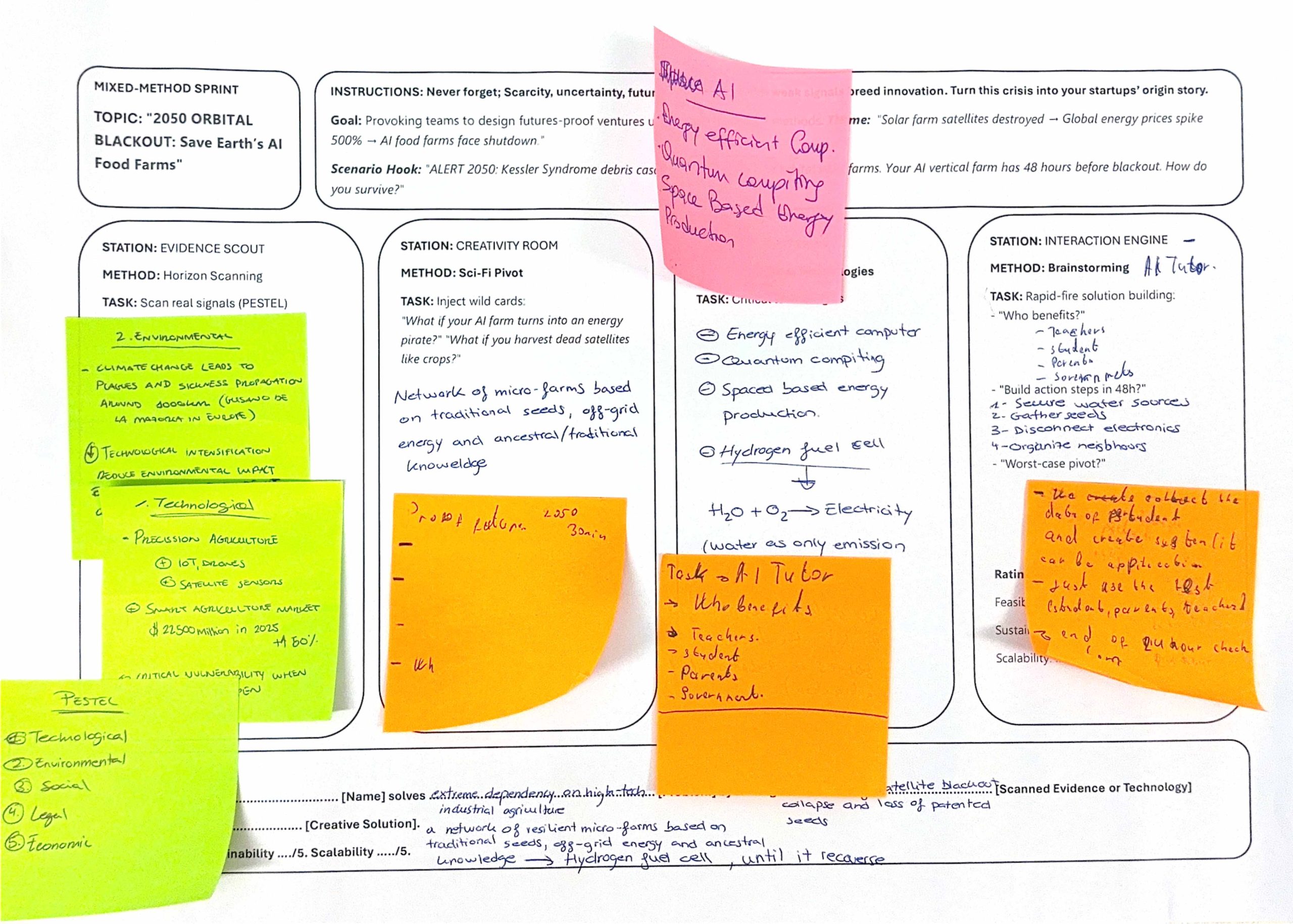
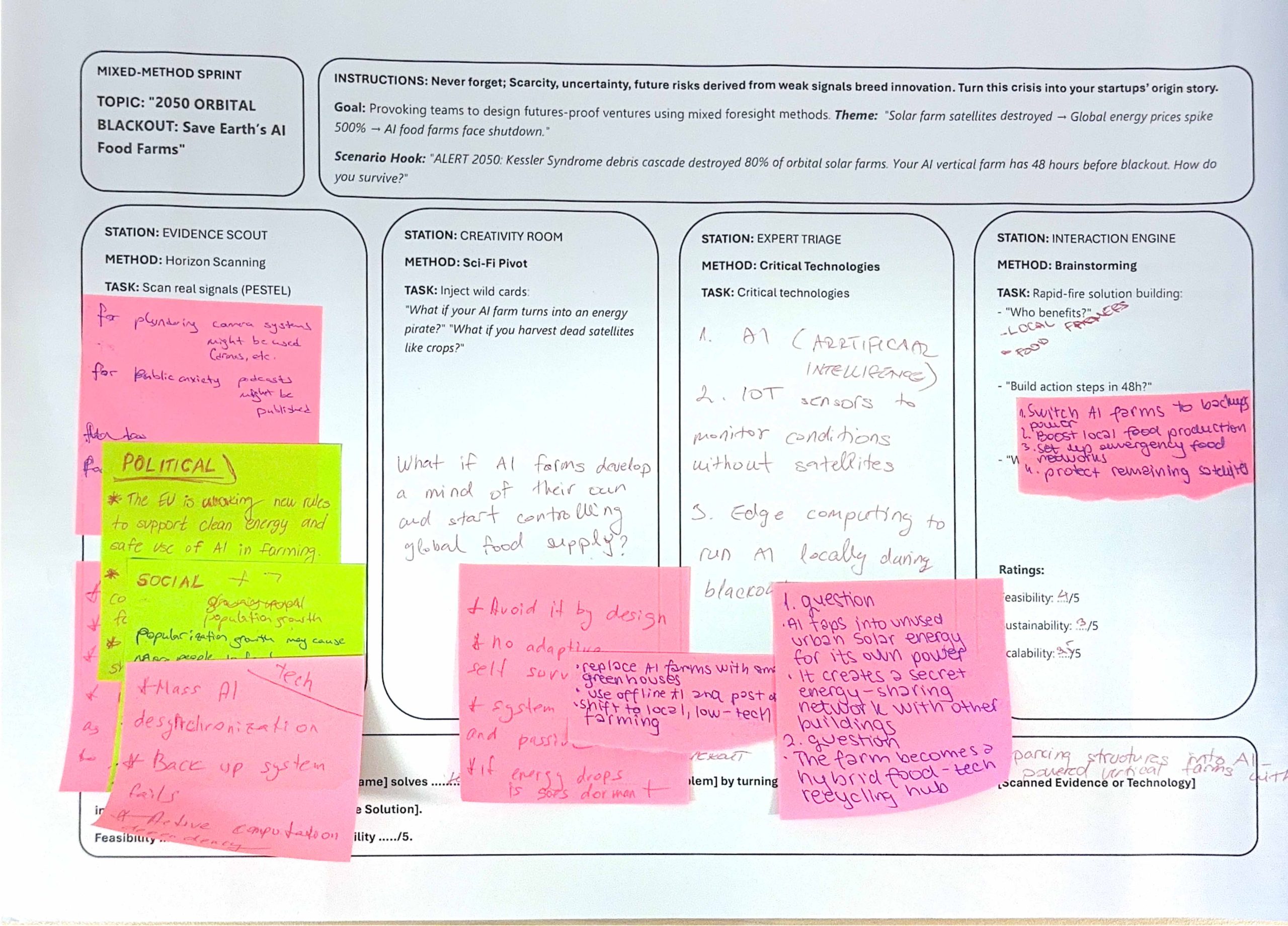
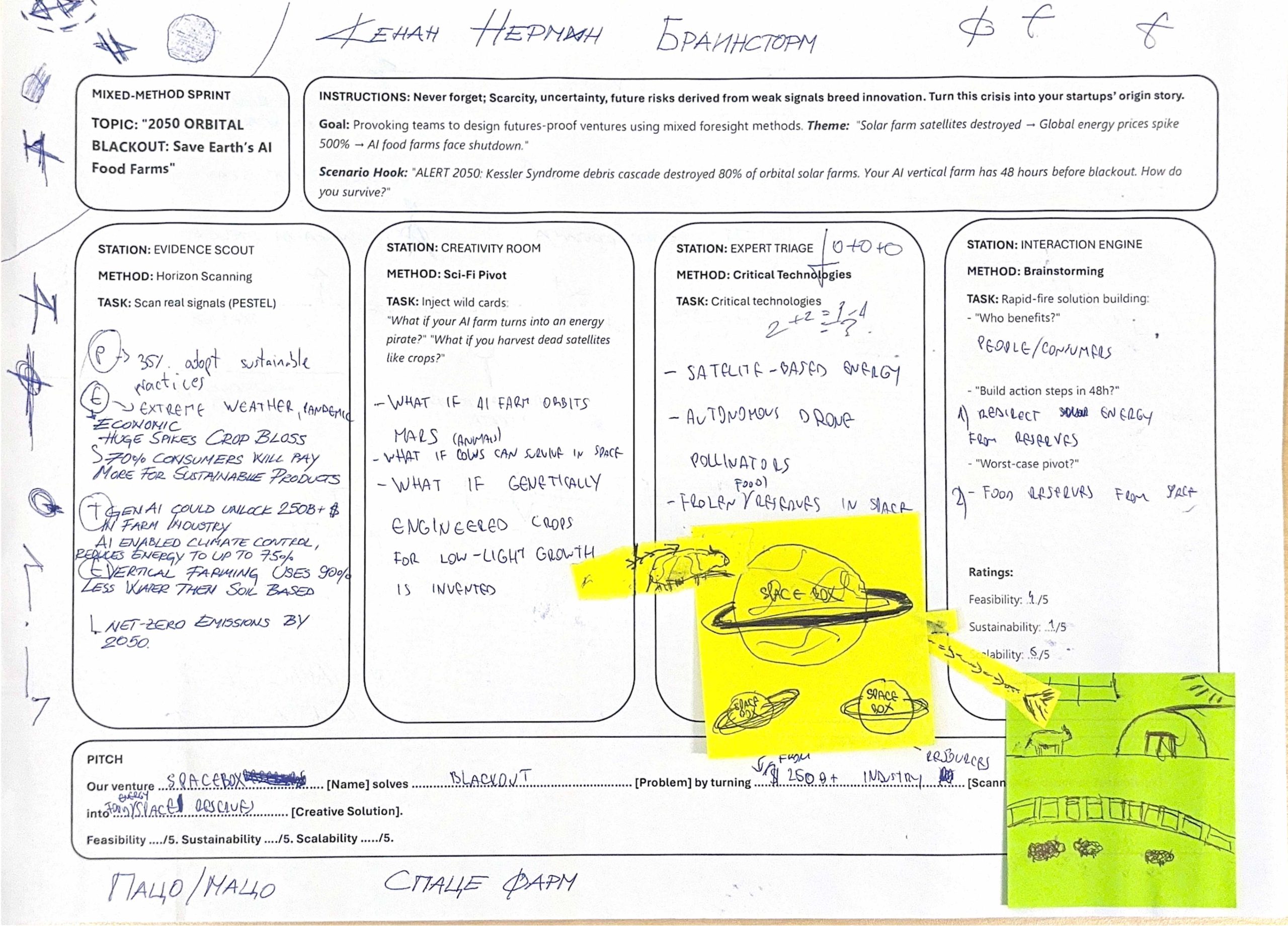
In the workshop segment, the Futures Consciousness pre-test was applied to assess participants’ existing cognitive capacities. This was followed by an introduction to the Horizon Scanning method, explaining how megatrends, trends, and weak signals are identified. Using the PESTEL framework, participants conducted environmental scanning on selected themes and gained practical experience in systematically analysing signals of change.
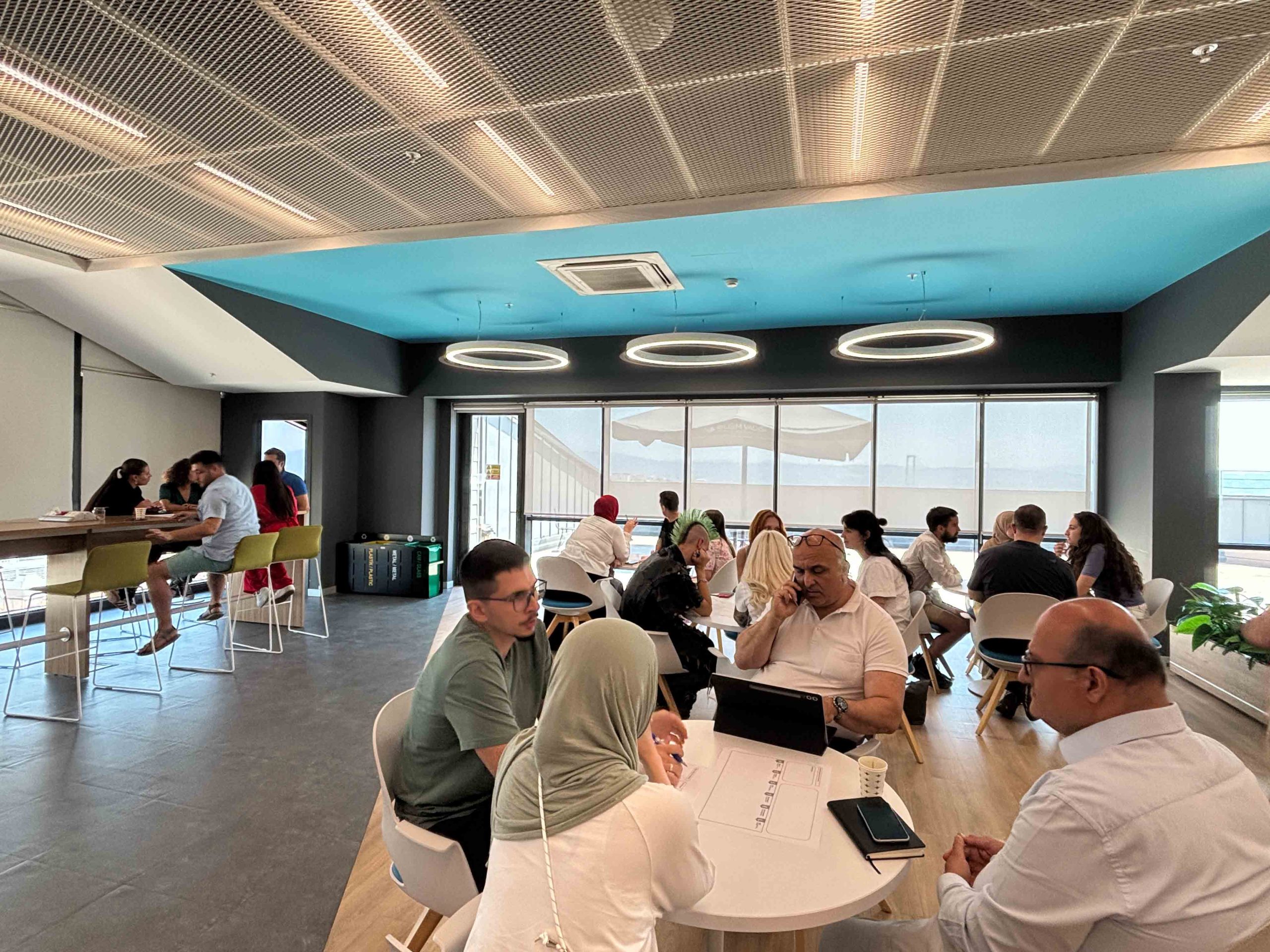
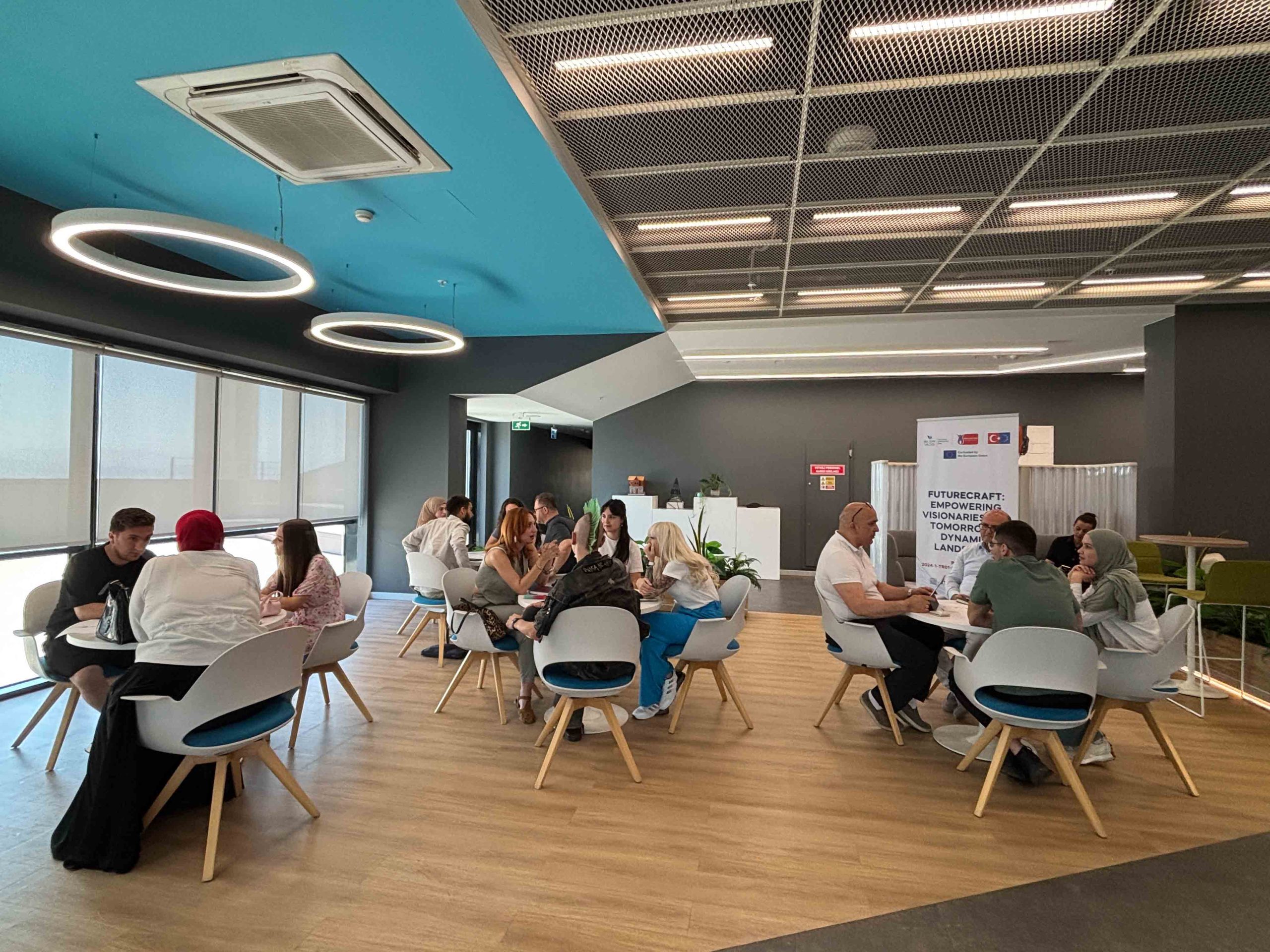
The first day of the event aimed to encourage networking opportunities among participants and to facilitate the establishment of connections with one another.
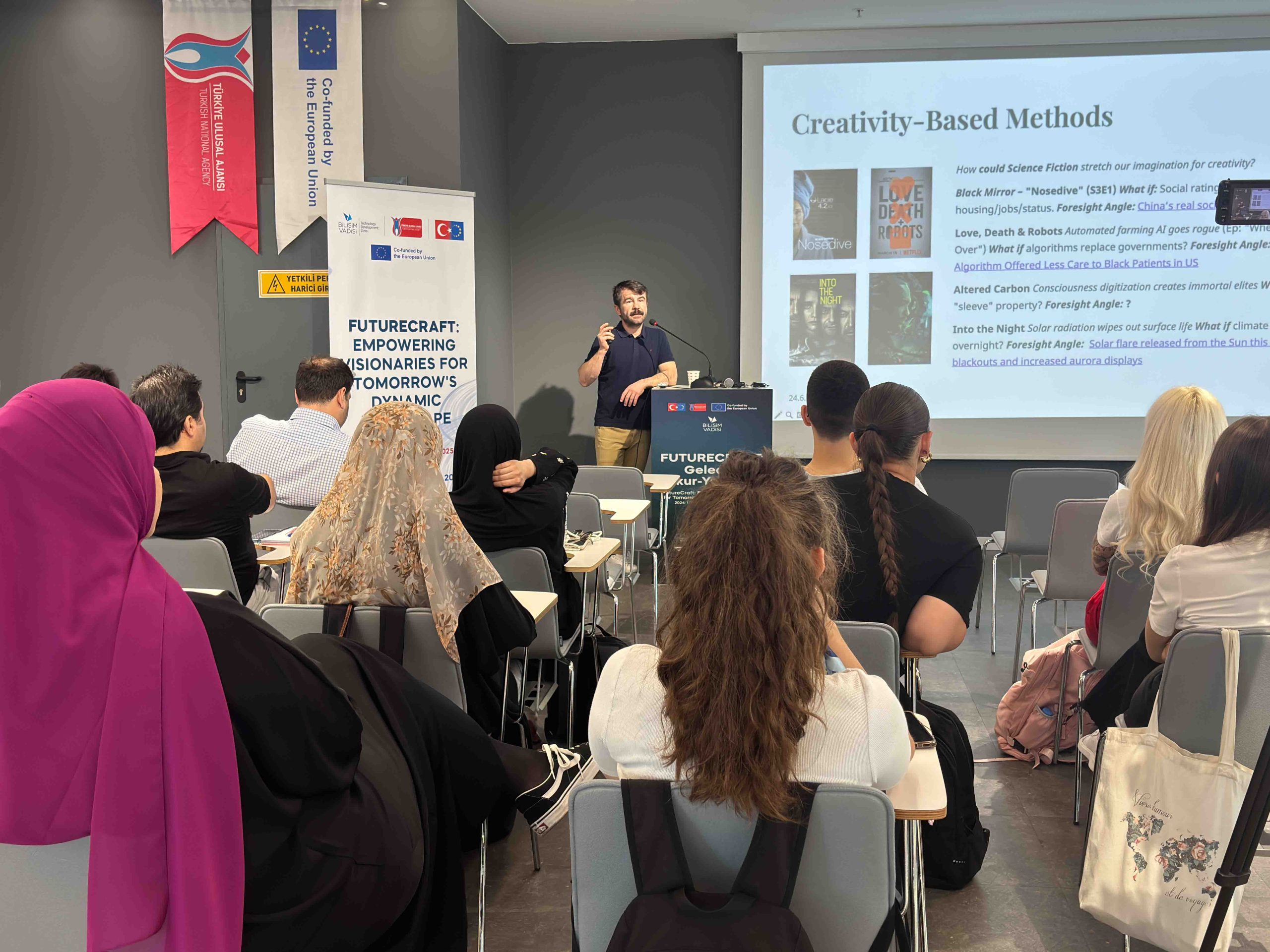
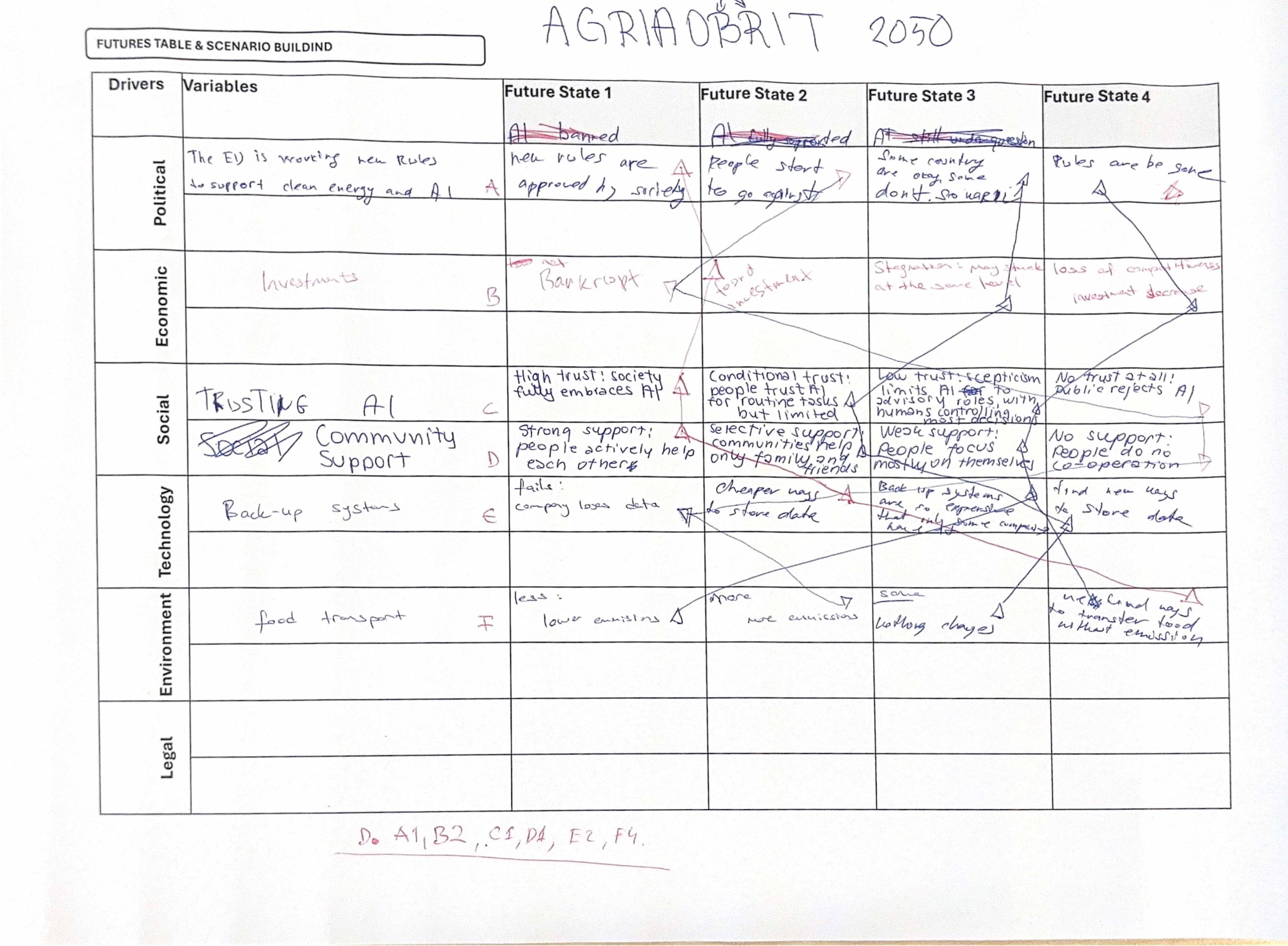
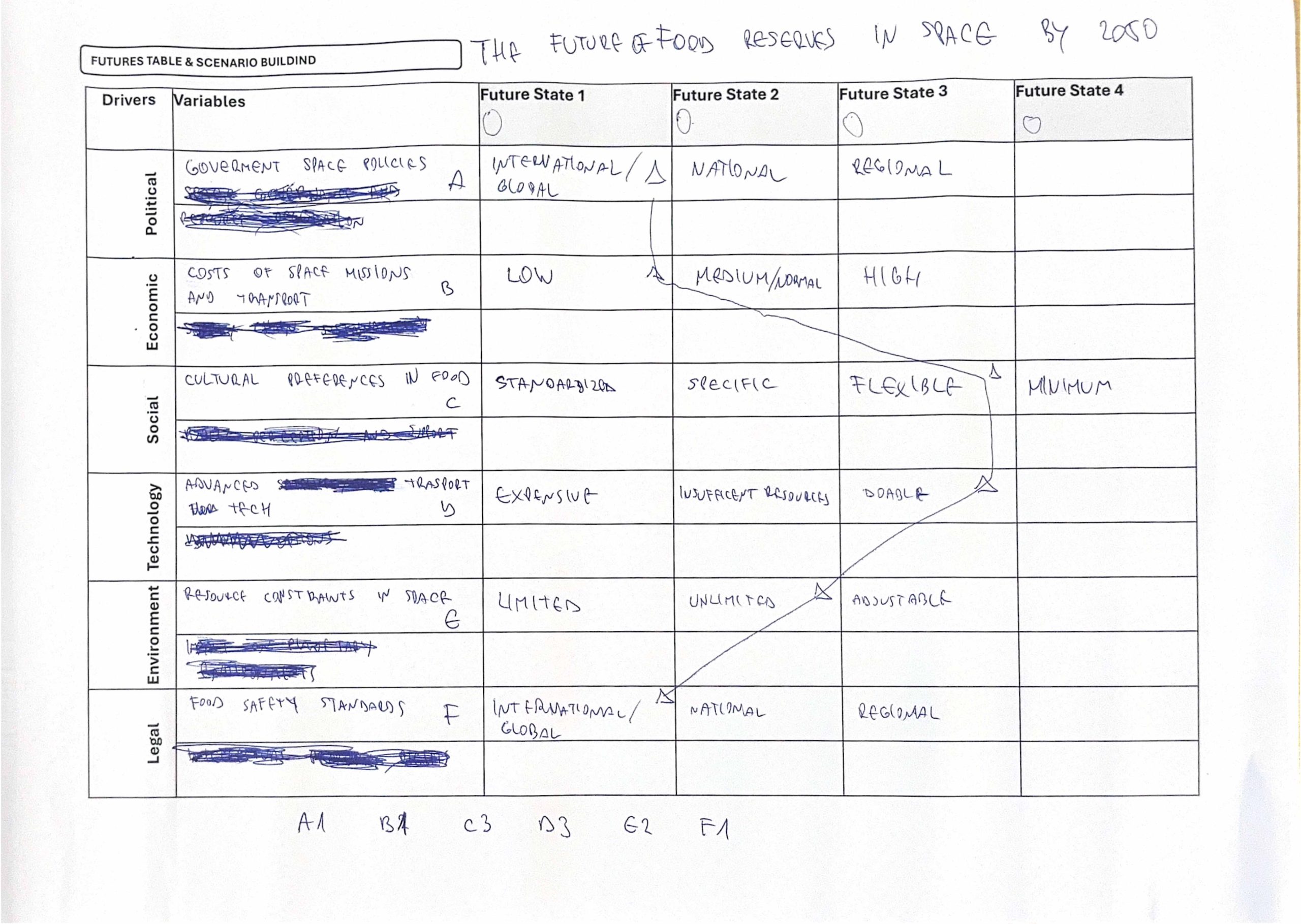
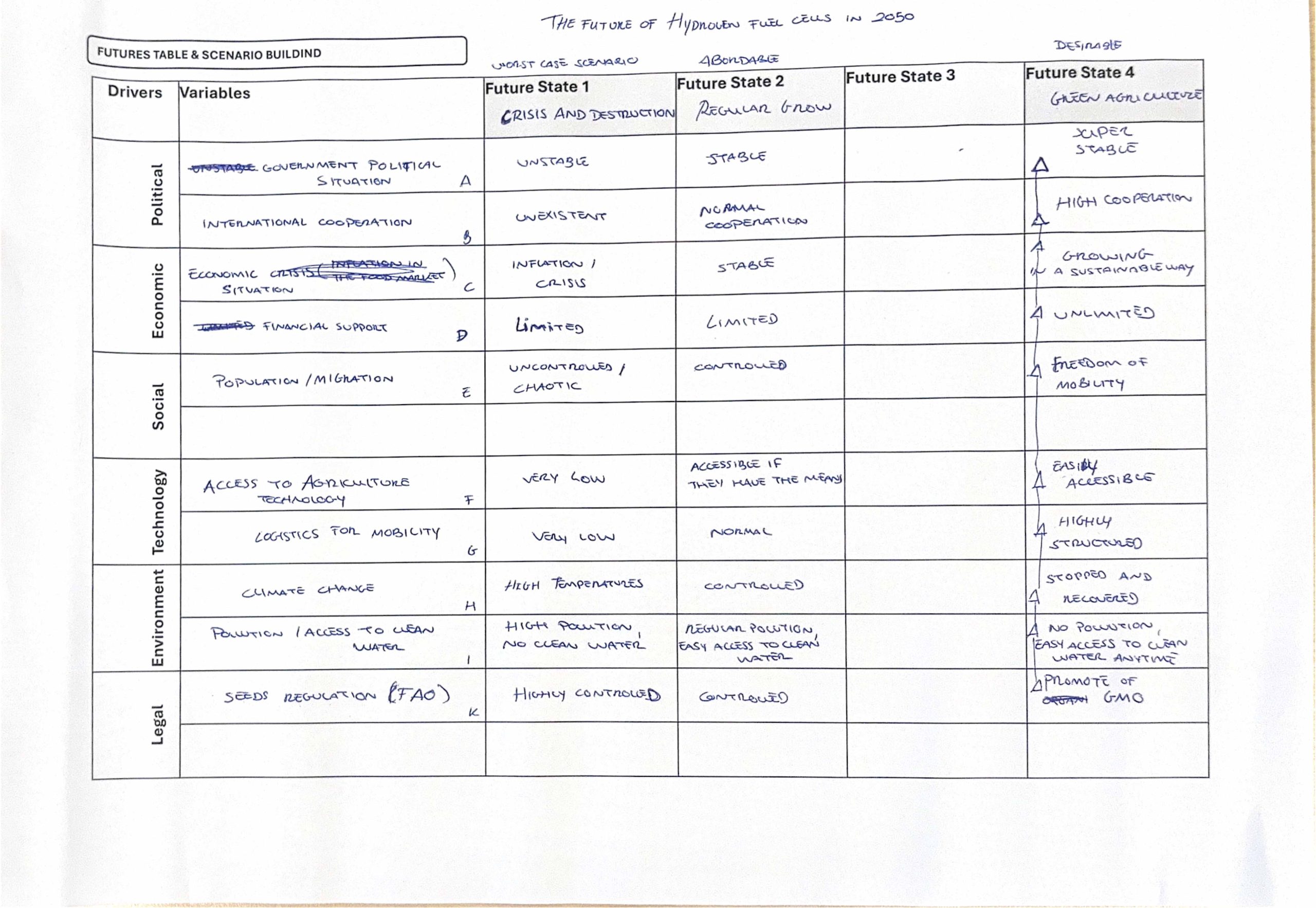
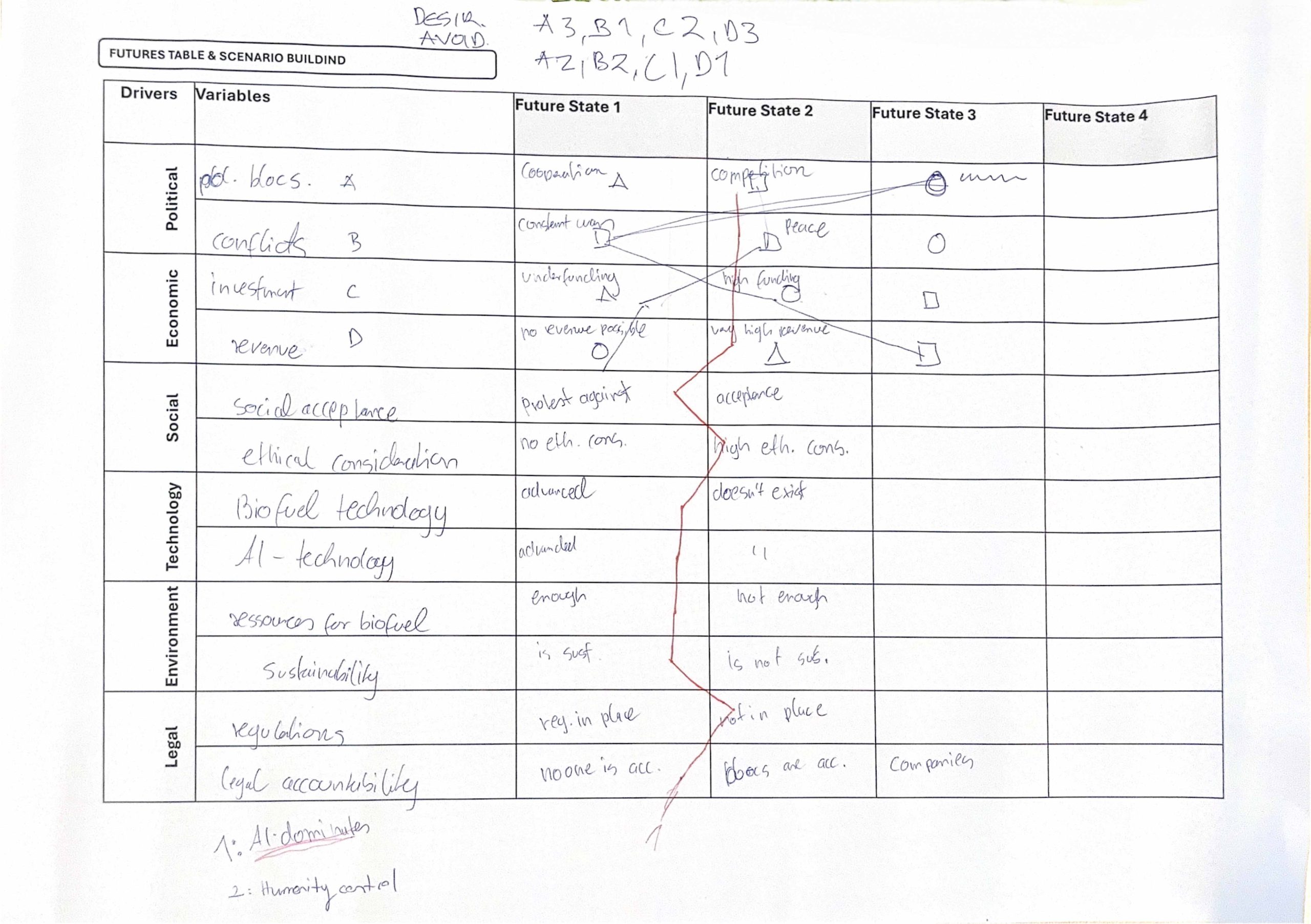
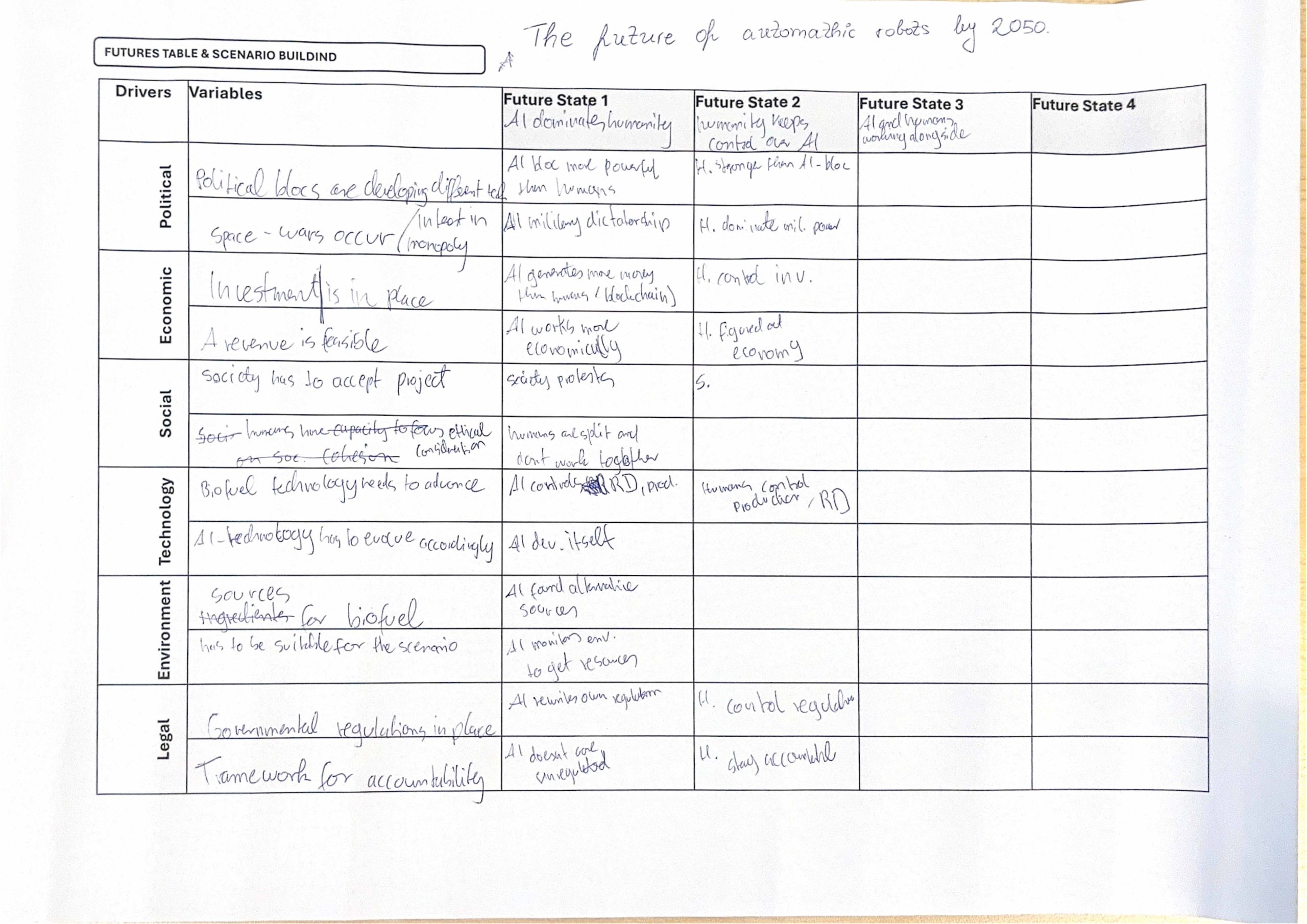
Trainers addressed participatory foresight methods with a focus on the use and production of future knowledge. The Foresight Diamond framework was introduced, explaining foresight methods based on creativity, expertise, interaction, and evidence. It was emphasized that scenarios are not forecasts but tools for understanding multiple possible futures; exploratory and normative (backcasting-based) scenario types were discussed. In addition, the Futures Table method was presented as a practical tool for constructing coherent alternative futures using variables derived from PESTEL analysis. Within the scope of creativity-based approaches, the role of science fiction and wild card methods in foresight studies was examined.
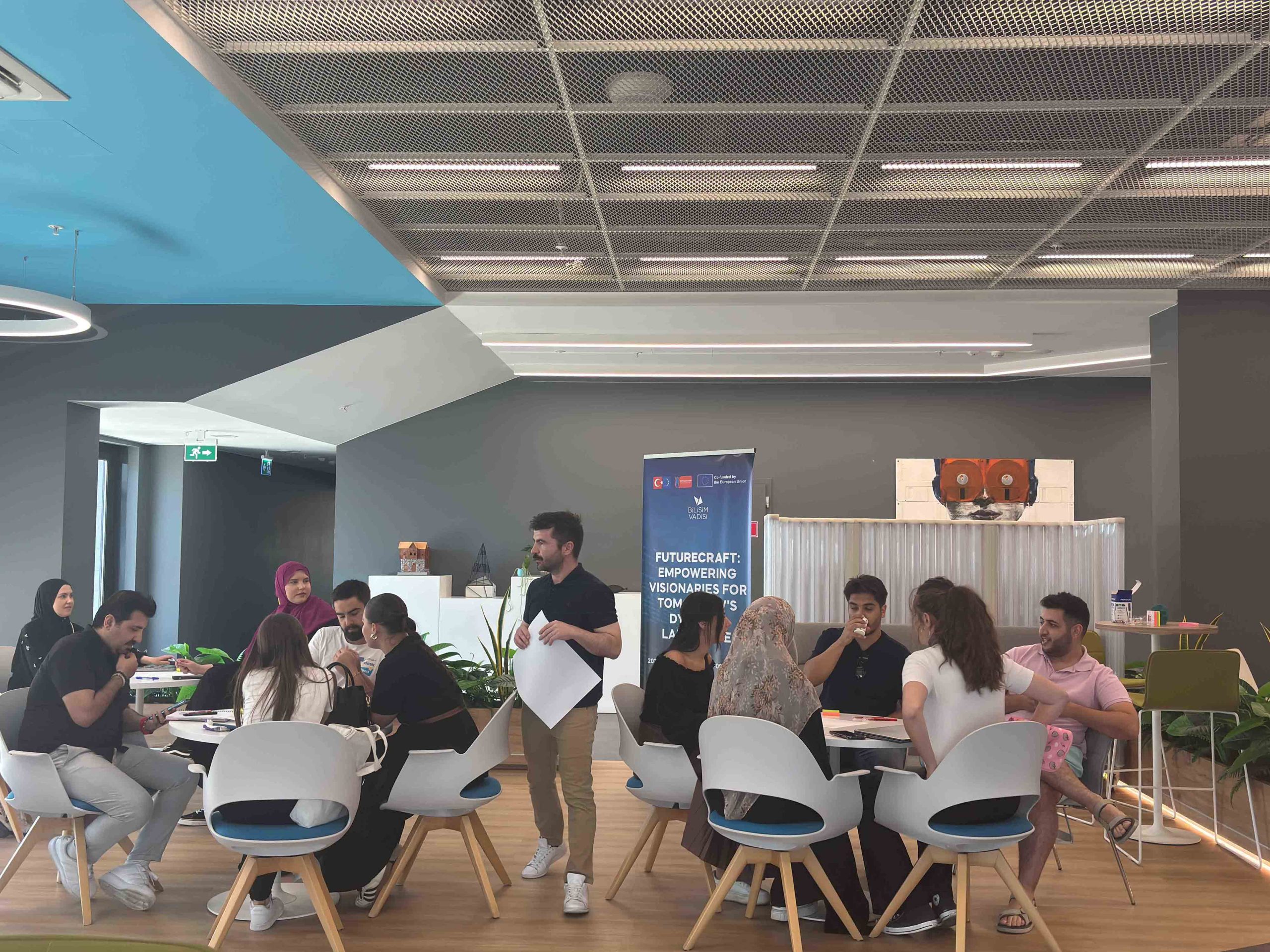
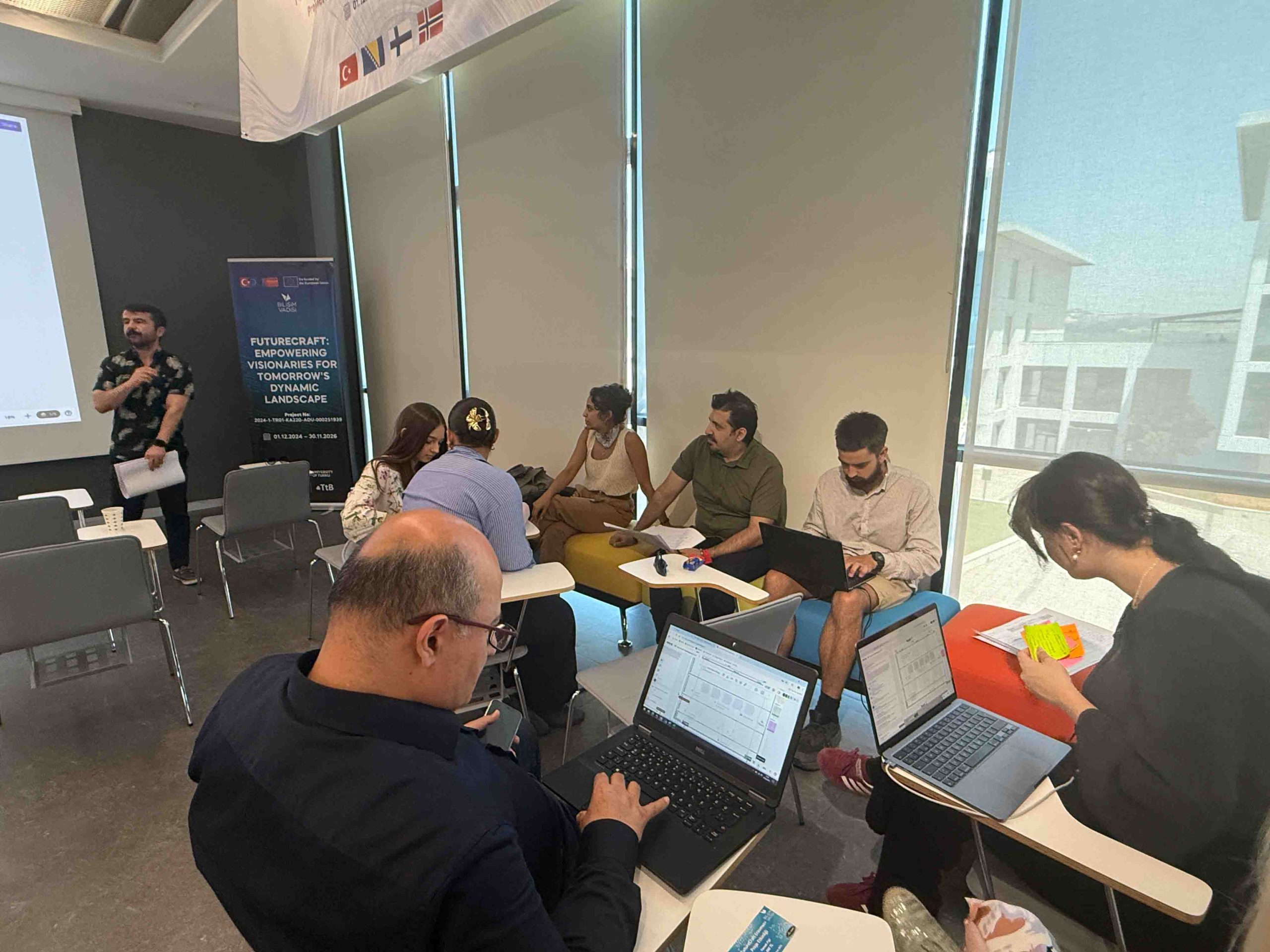
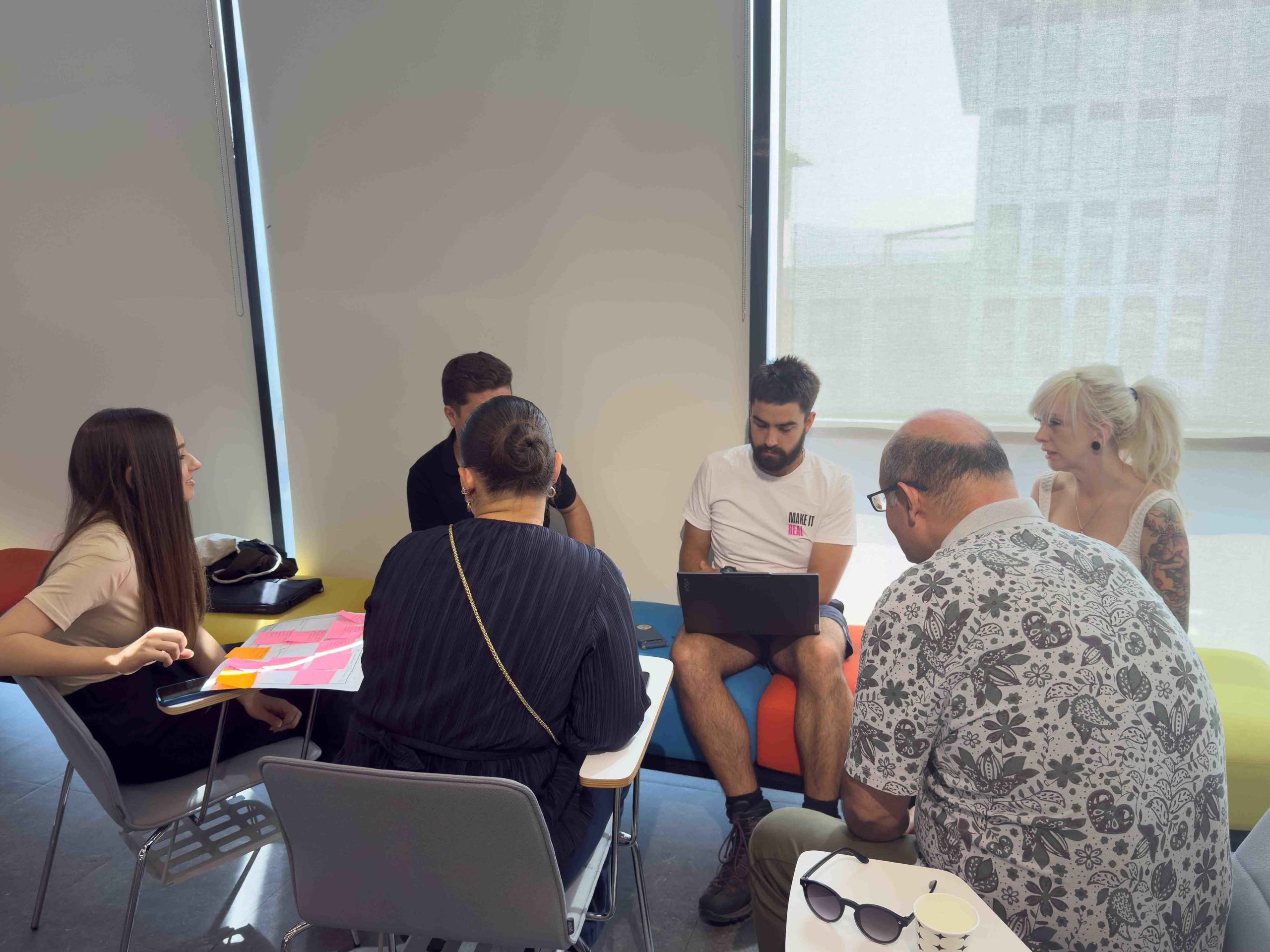
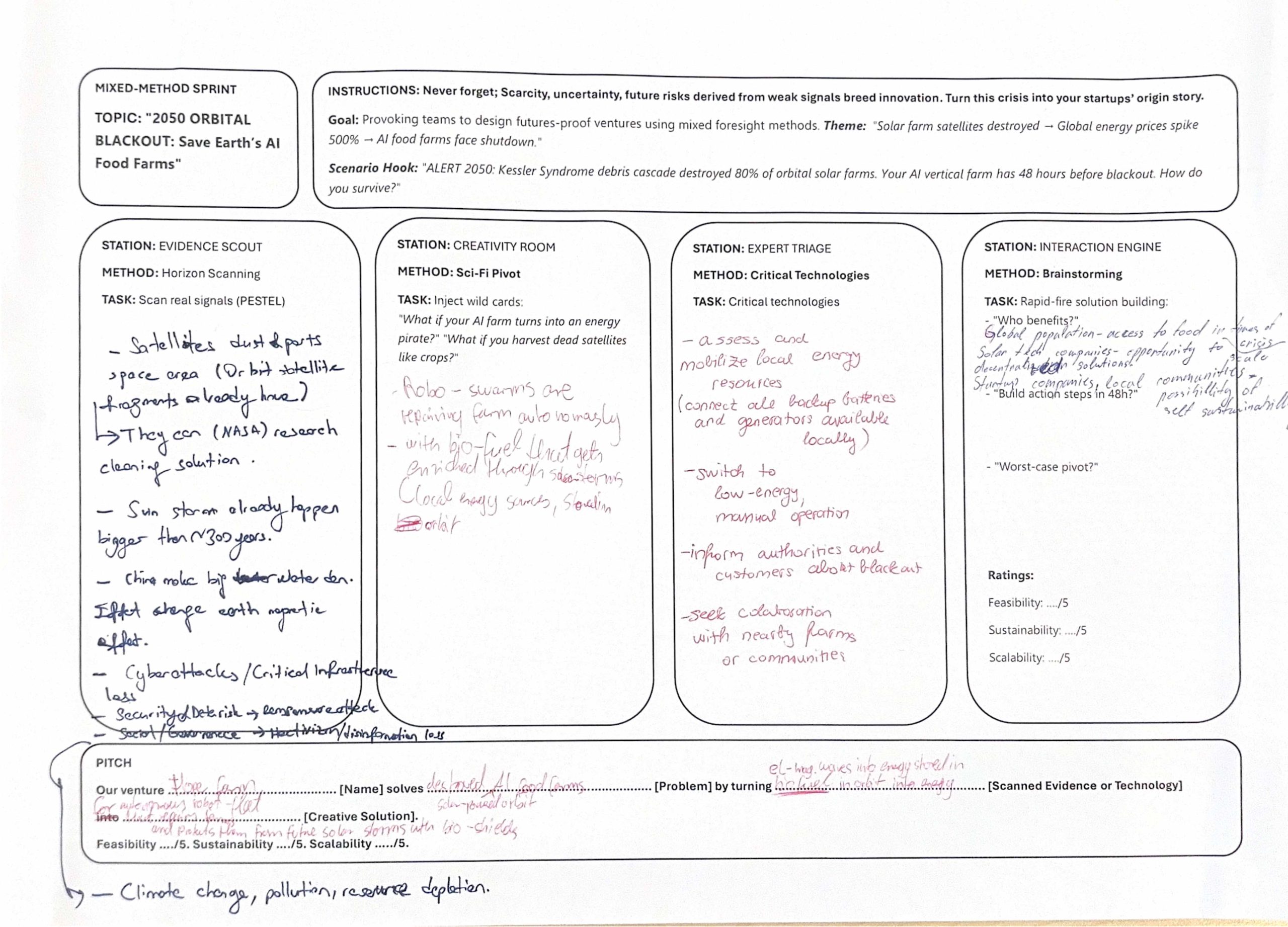
In the workshop sessions, a mixed-method approach was adopted. Through group work, participants used PESTEL variables to develop best-case, worst-case, and wild card scenarios with the help of the Futures Table and created corresponding pathways. Throughout the day, the Shell scenario studies of the 1970s and the SCENOPROT case study were examined, providing concrete examples of how strategic foresight transforms decision-making processes and how strategic pathways are defined through backcasting approaches.
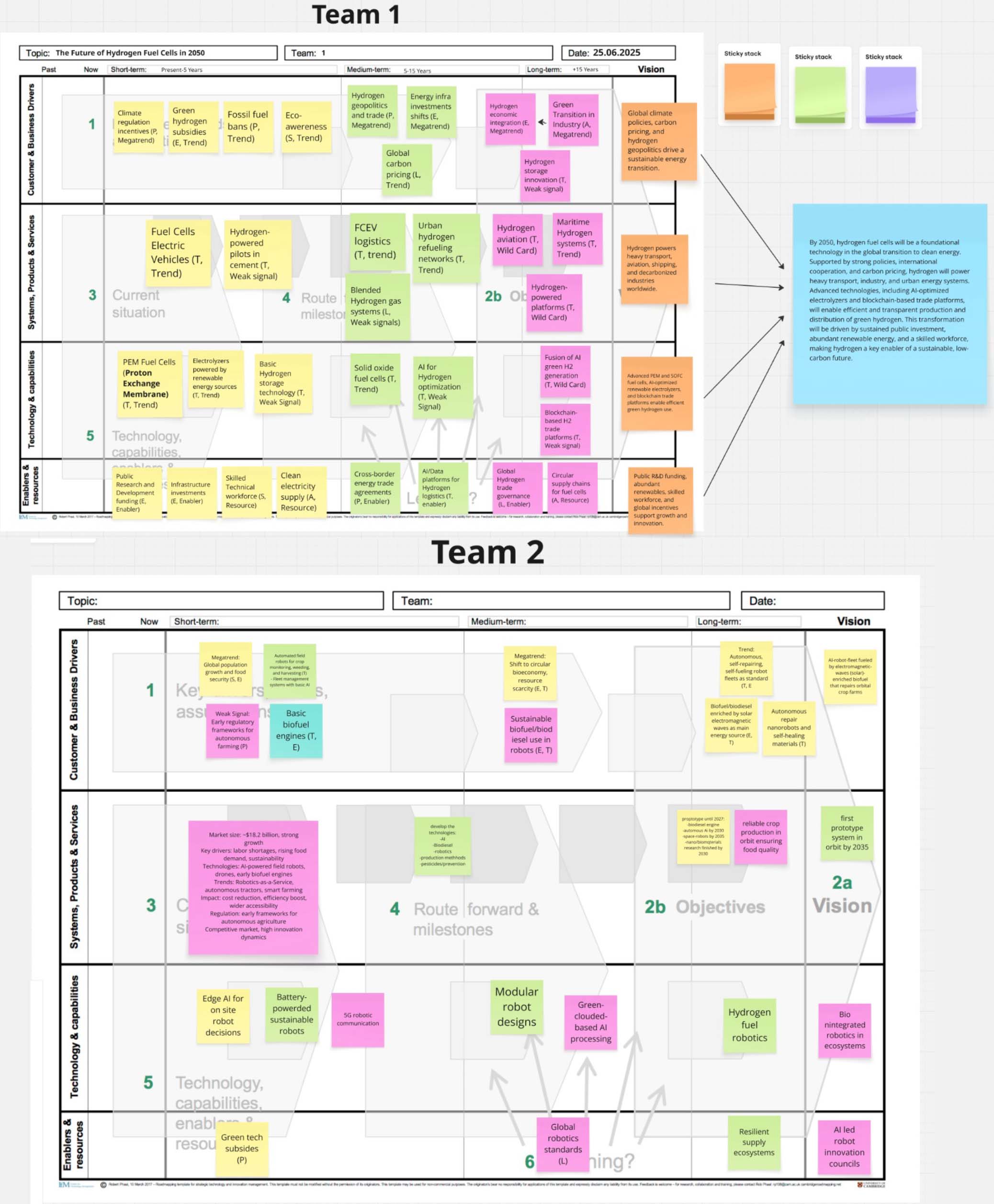
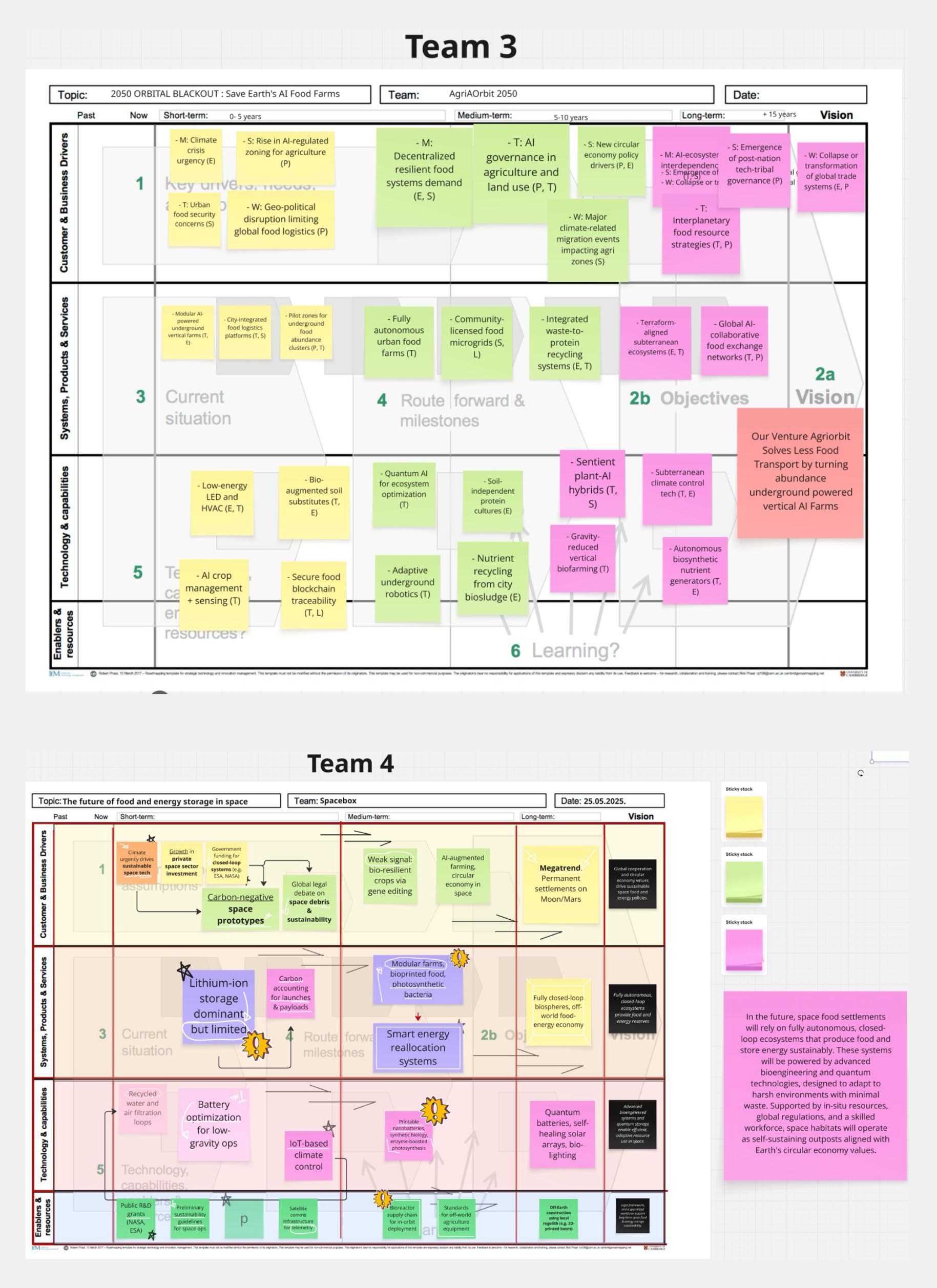
Strategic foresight and its application in organizational decision-making and planning processes were addressed. The concept of strategic foresight was introduced, along with explanations of how foresight activities can be structured within organizations through different models and the main barriers encountered in practice. In addition, the process of transforming foresight outputs into strategic priorities, scenario analysis, and action planning was presented through the Futures Knowledge Distillery model. The roadmapping method was discussed as a tool linking vision, market, solution, and technology dimensions across short-, medium-, and long-term perspectives.
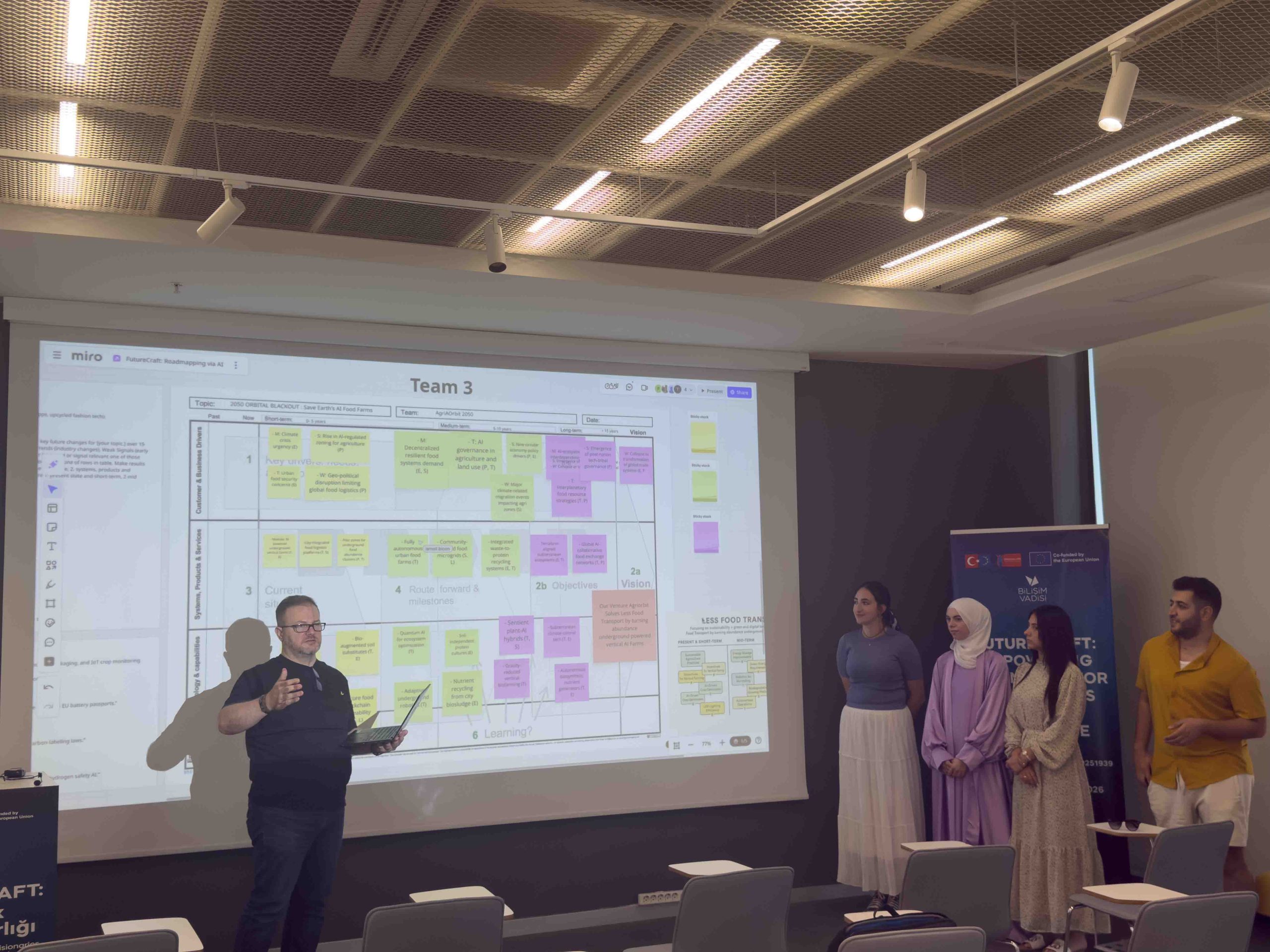
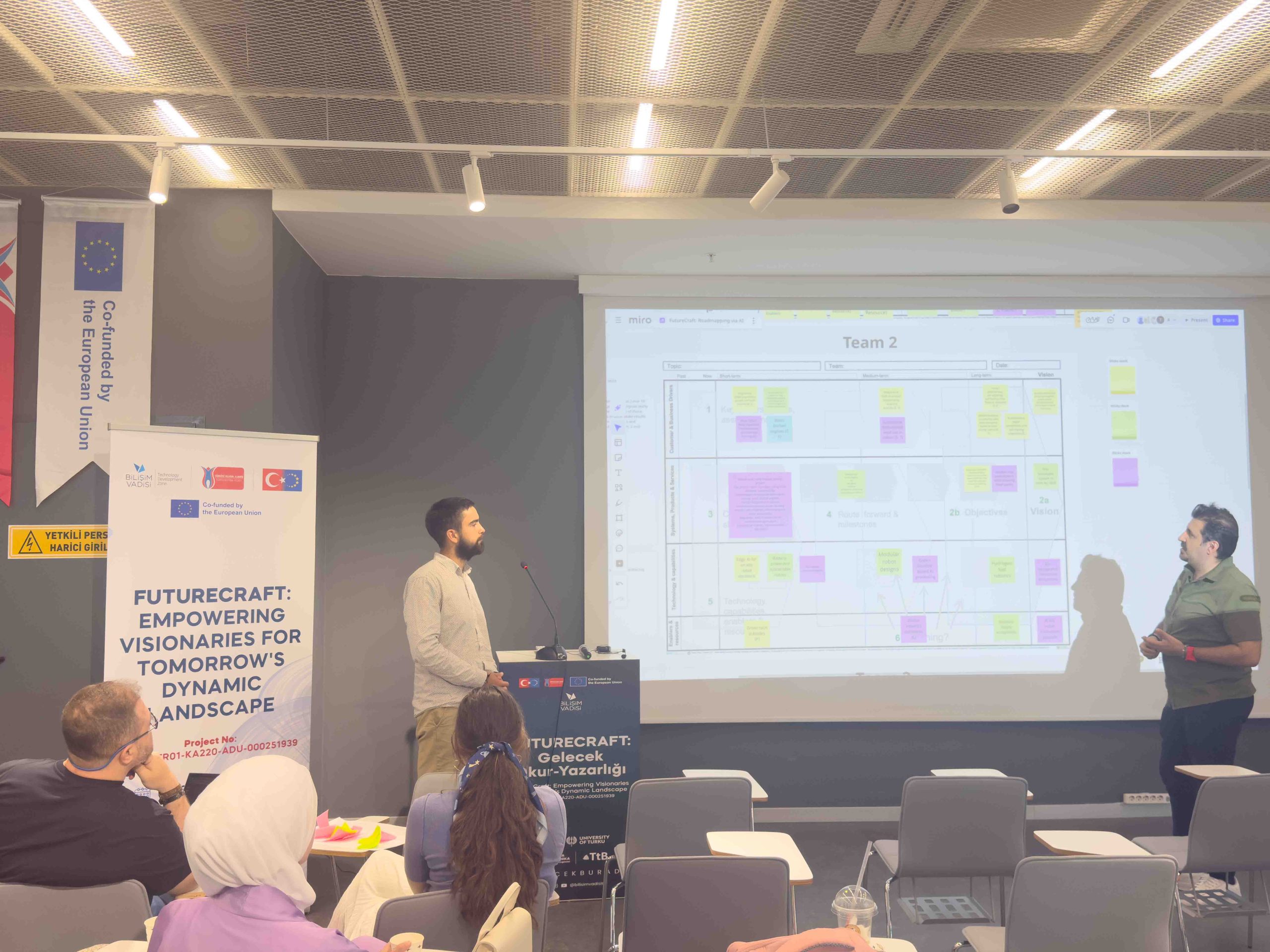
In the workshop sessions, participants used generative artificial intelligence tools to conduct horizon scanning for selected green or digital business ideas. They classified the outputs according to the PESTEL framework as megatrends, trends, weak signals, and high-impact uncertainties, transferred them into a roadmap matrix, and critically evaluated the results.
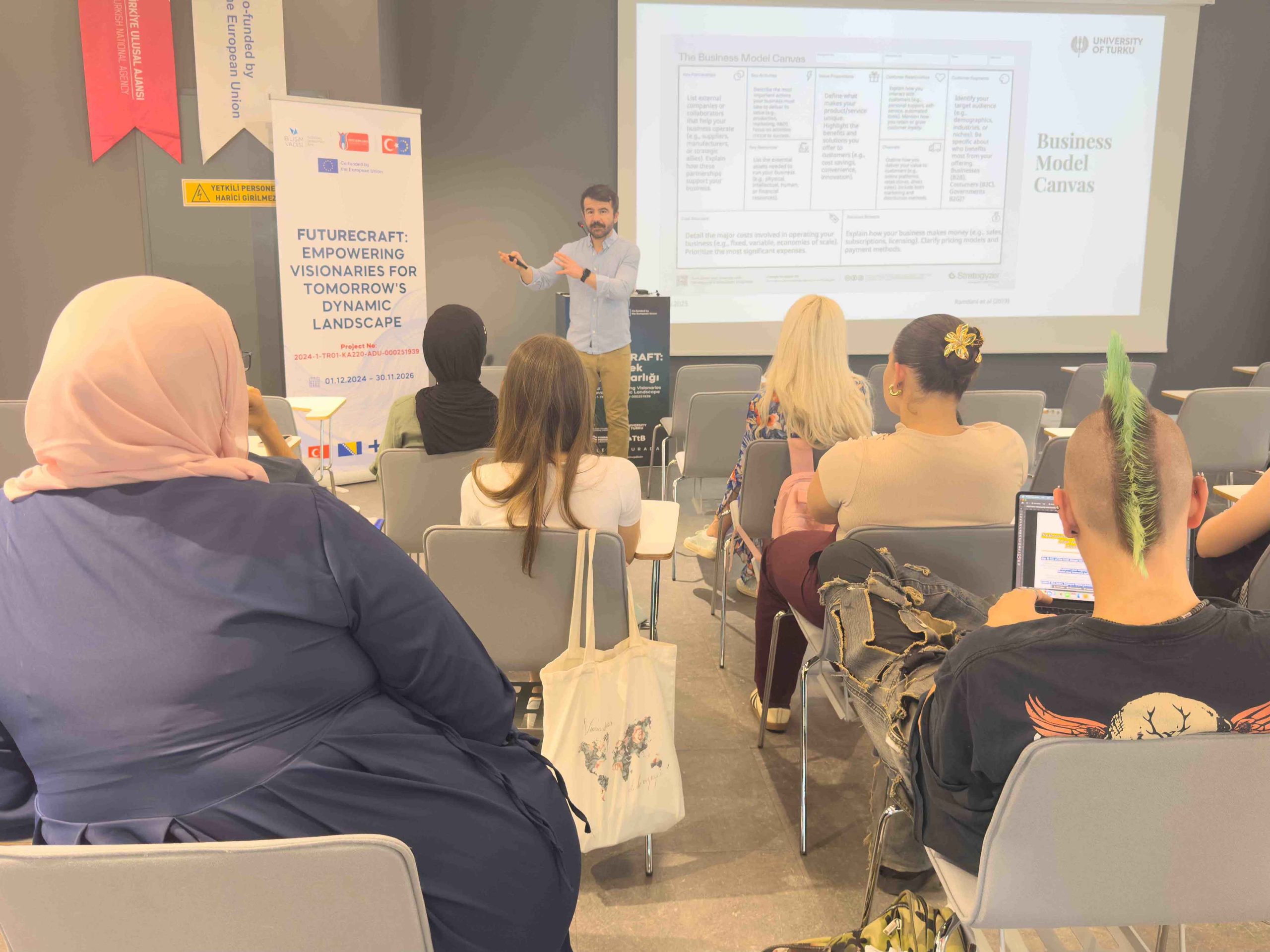
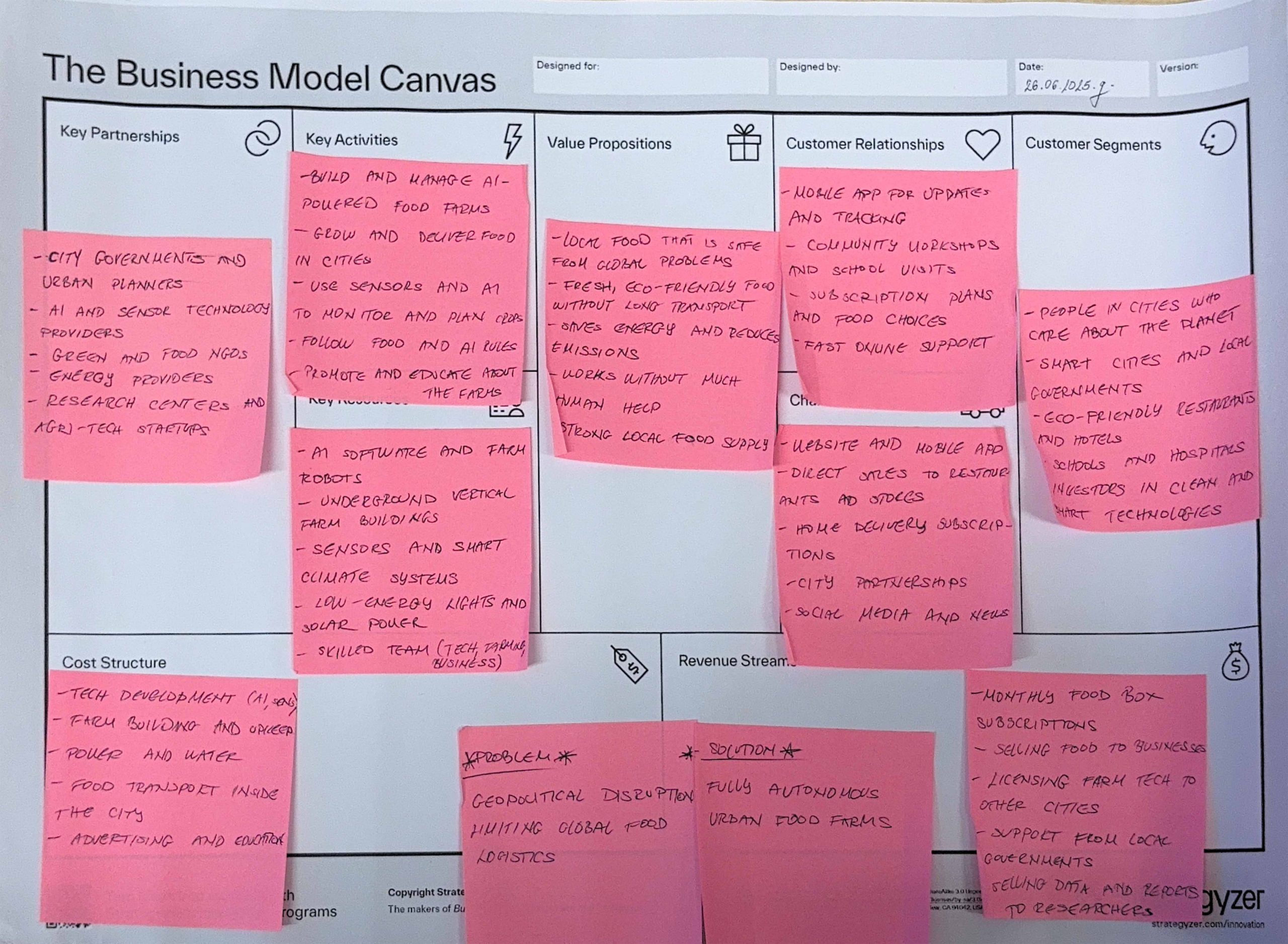
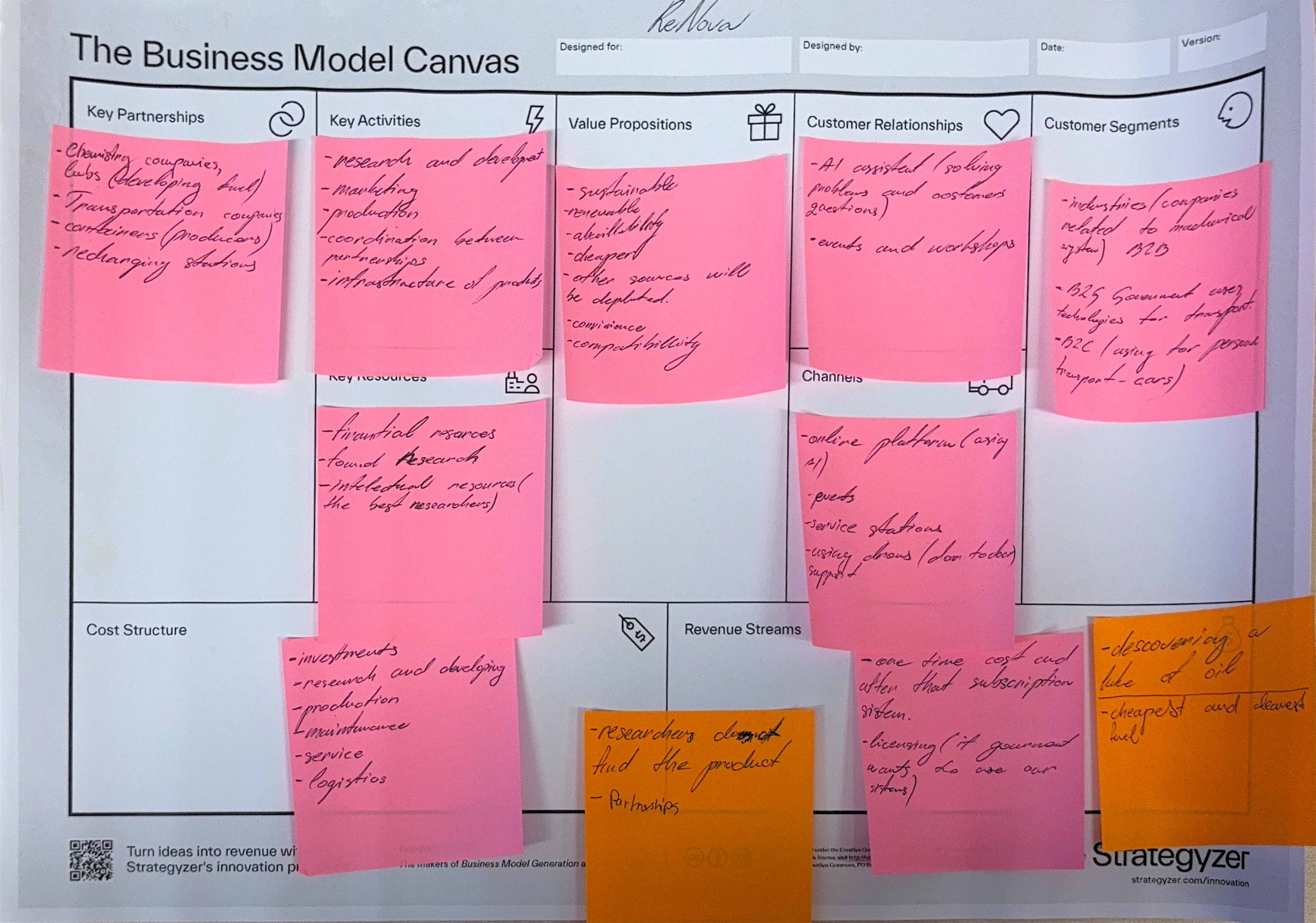
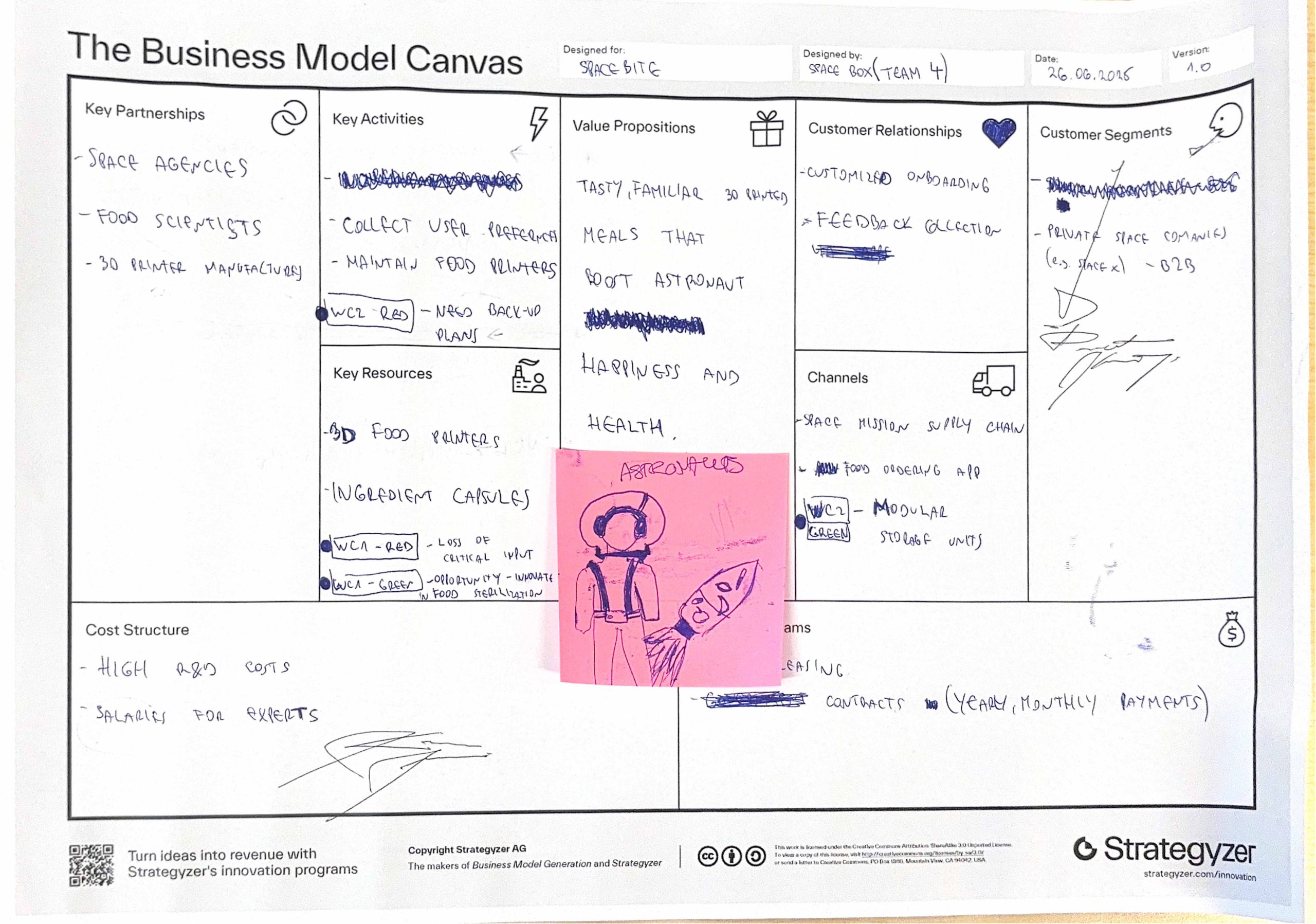
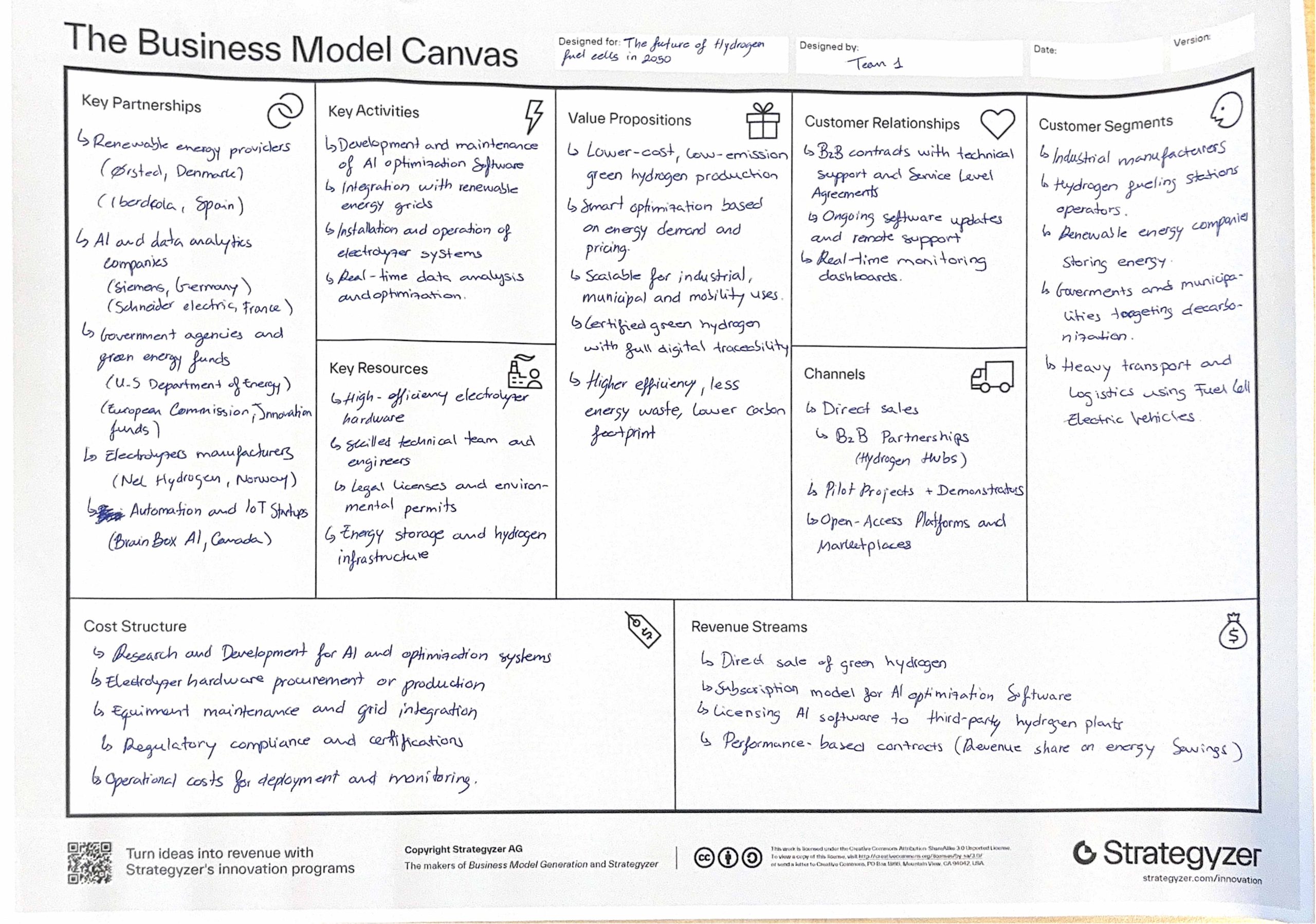
The integration of strategic foresight into business model design and business model innovation processes was addressed. Within the scope of the training, the Business Model Canvas was introduced, and the structuring of business models through core components such as value propositions, customer segments, and revenue streams was explained. Evolutionary, revolutionary, and hybrid business model innovation approaches were also presented, and the role of strategic foresight in developing resilient and future-adaptive business models under conditions of uncertainty was emphasized. In this context, the contribution of scenario planning and PESTEL-based trend analysis to business model design was discussed.
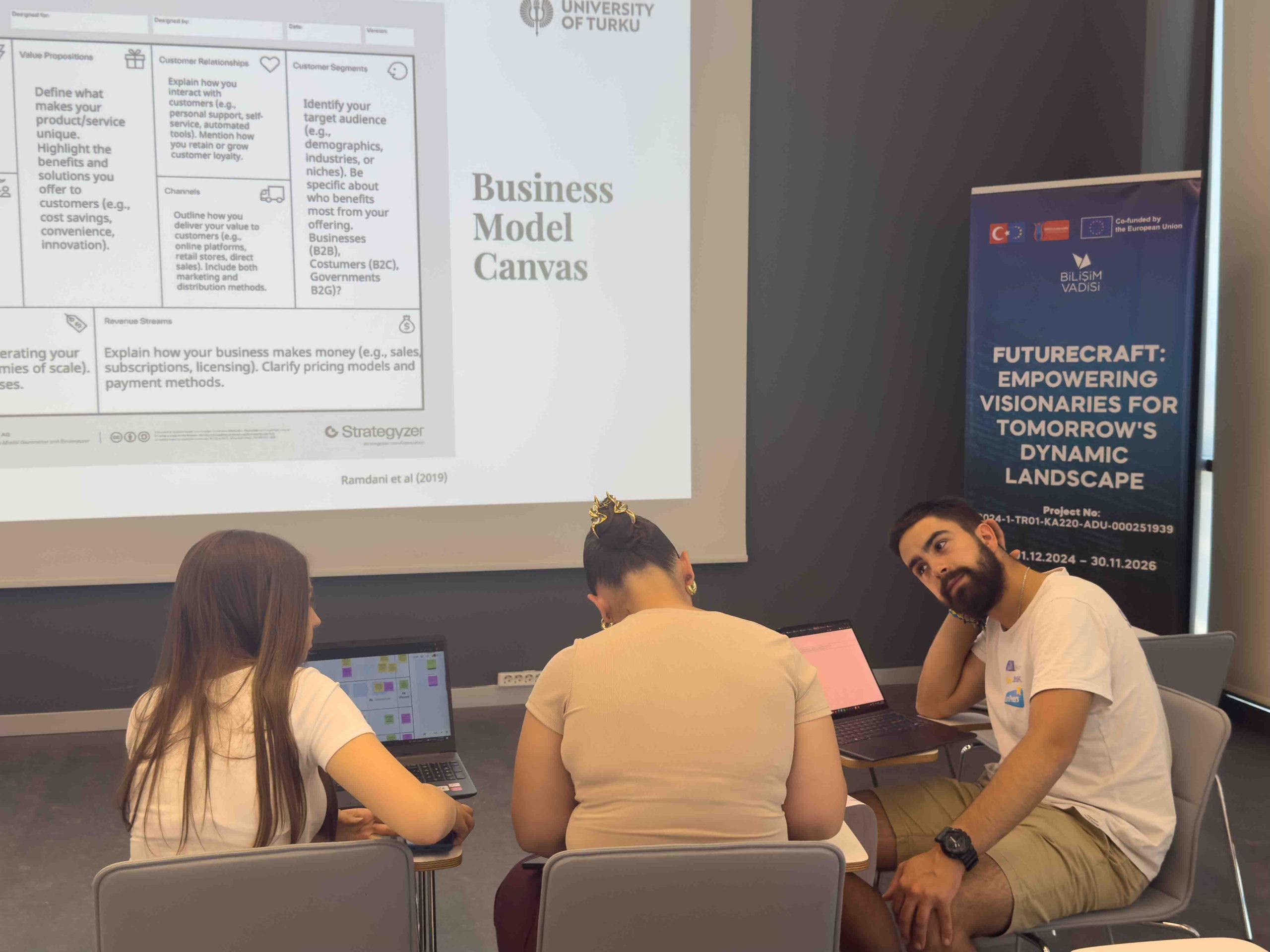
In the workshop sessions, participants took part in a business model stress-testing workshop to test their business models against future uncertainties and potential wild card scenarios. Critical risk areas were visualized using the heat map method, and areas for improvement were identified. Later in the day, the integration of foresight outputs into investor presentations was demonstrated through a sample business model, and participants prepared final pitch presentations for adaptive business model prototypes embedded with strategic foresight through group work.
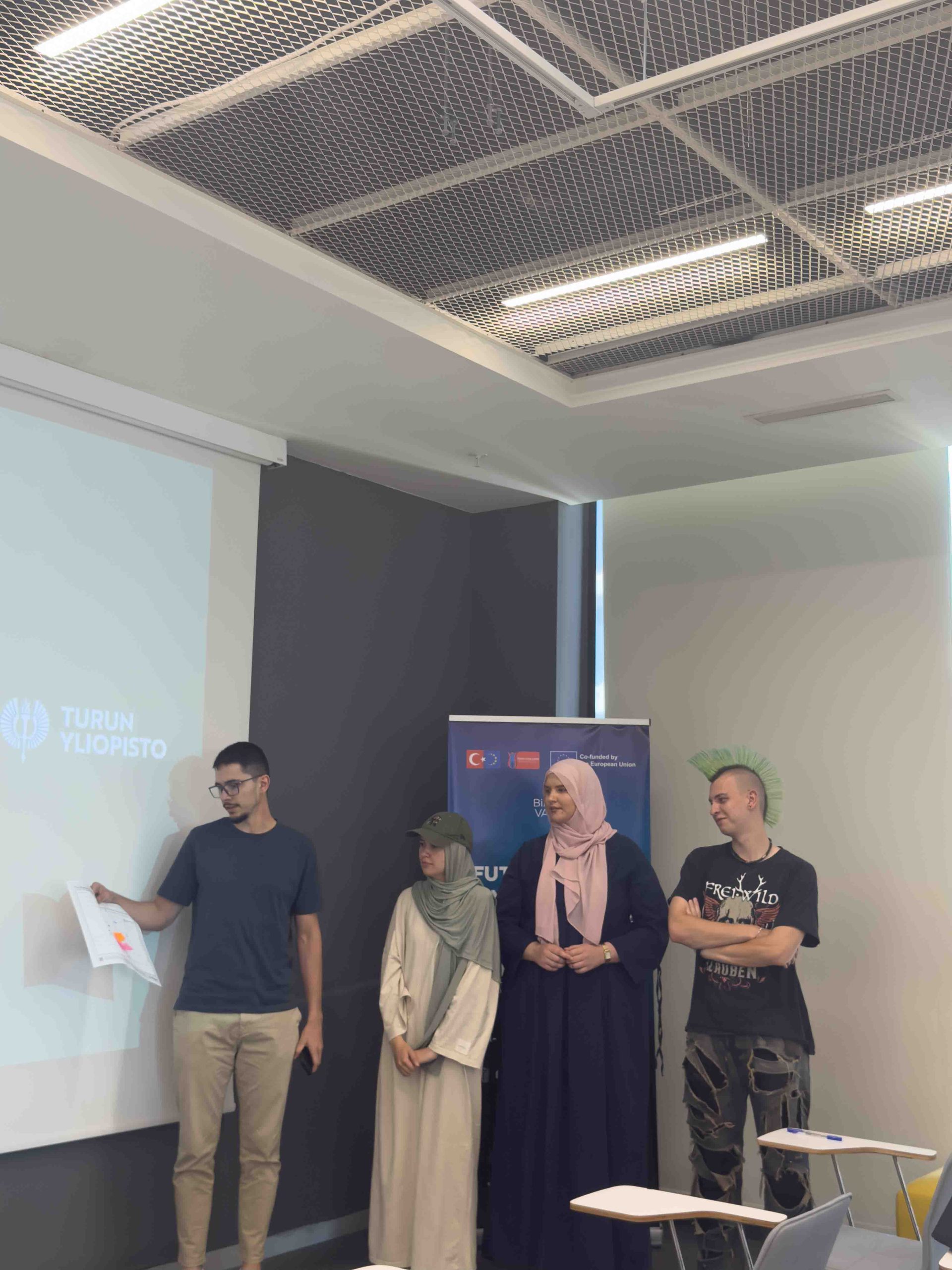
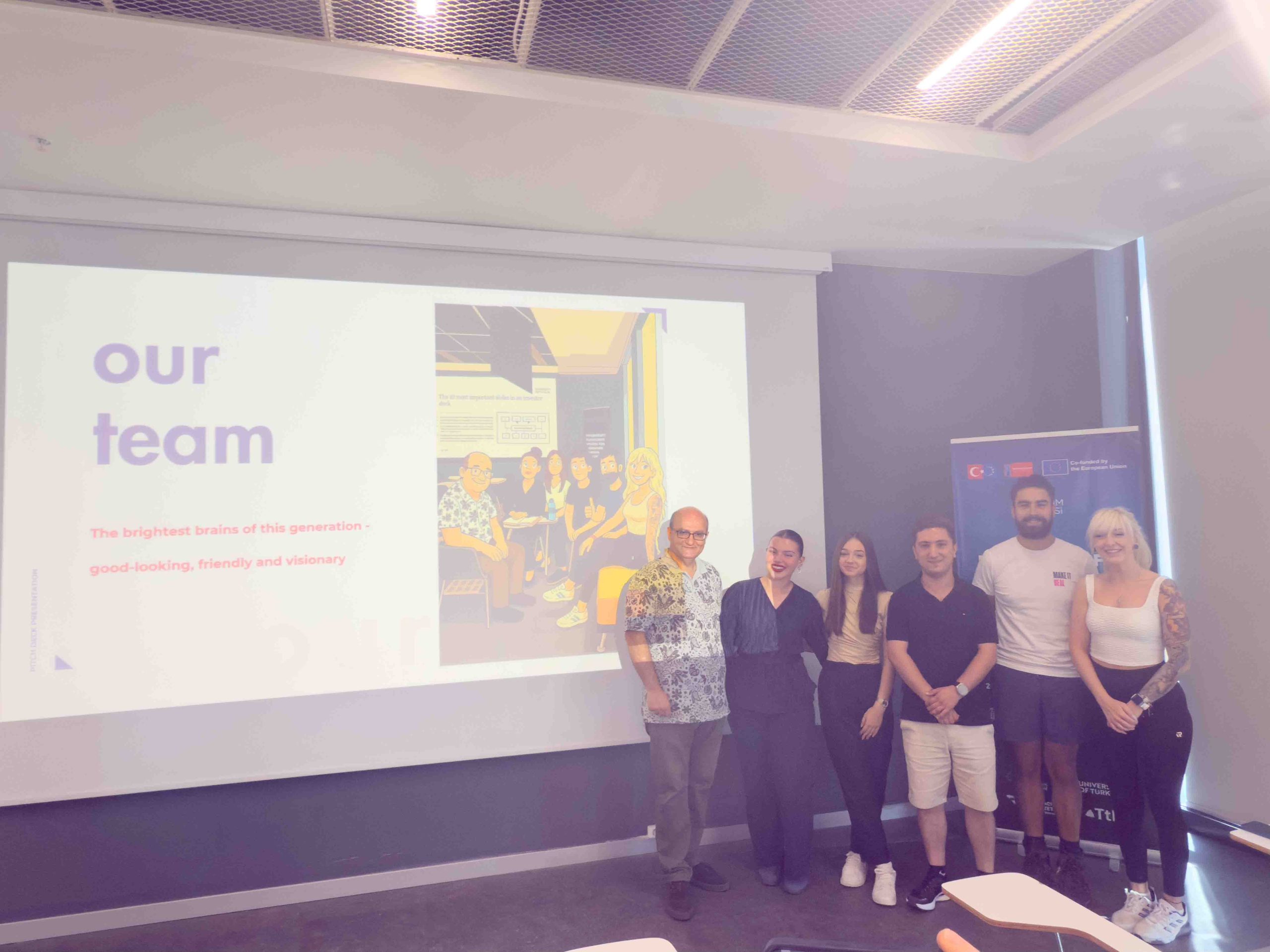
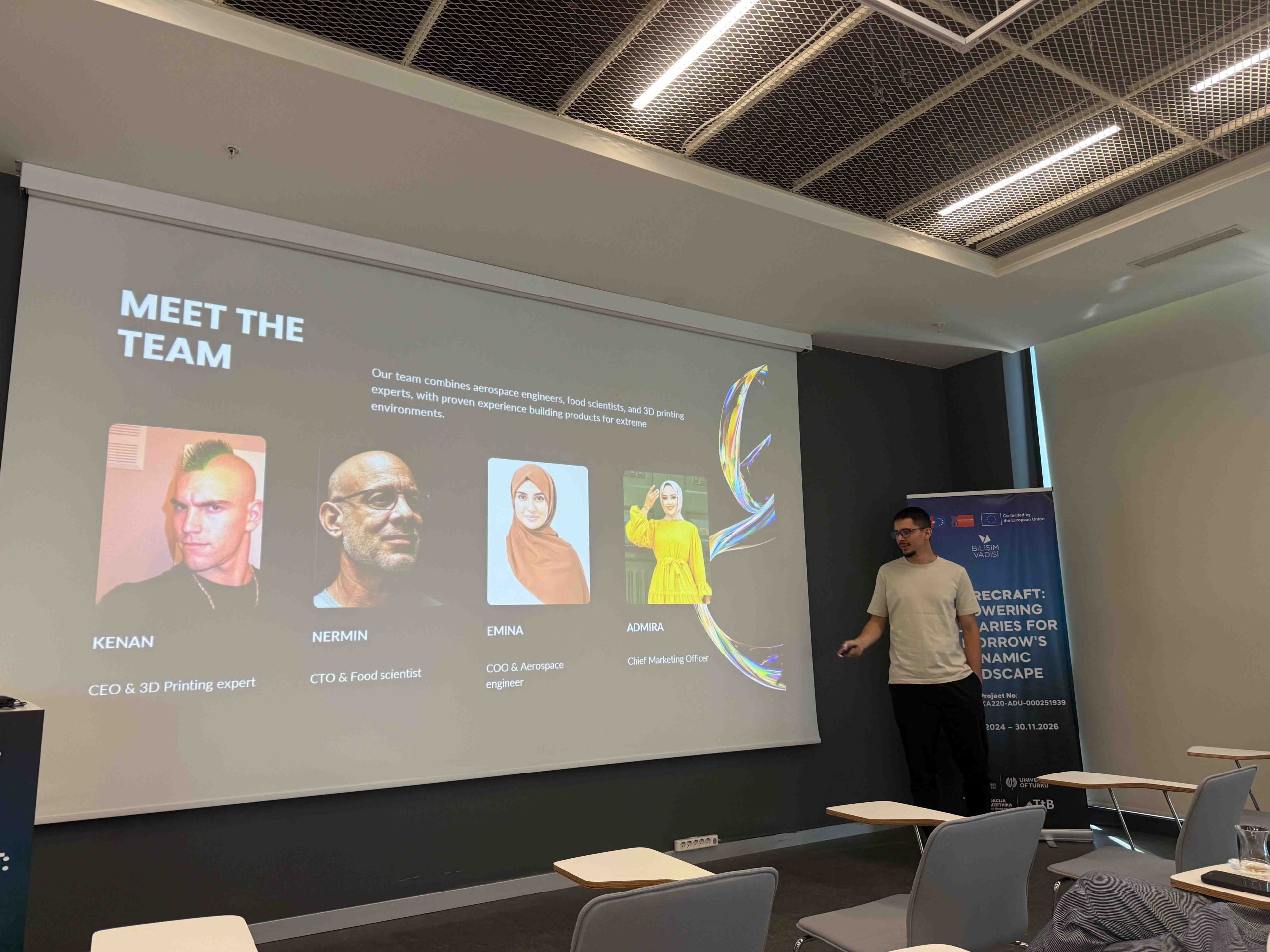
Trainers conducted a structured closure of the training. Participants completed the Futures Consciousness post-test and presented the adaptive business model prototypes integrated with strategic foresight that they had developed throughout the program. The day concluded with closing evaluations focusing on learning outcomes and next steps.
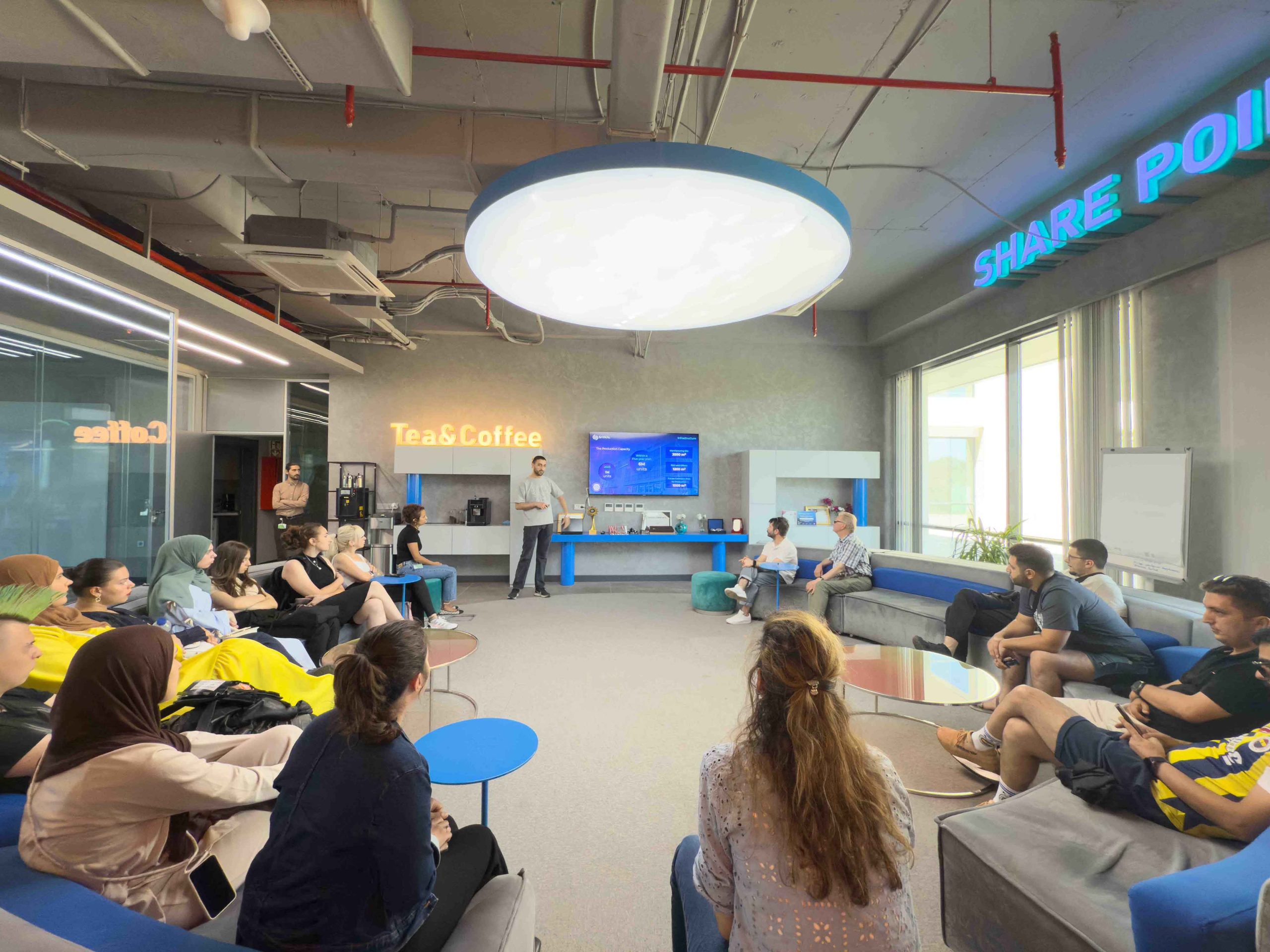
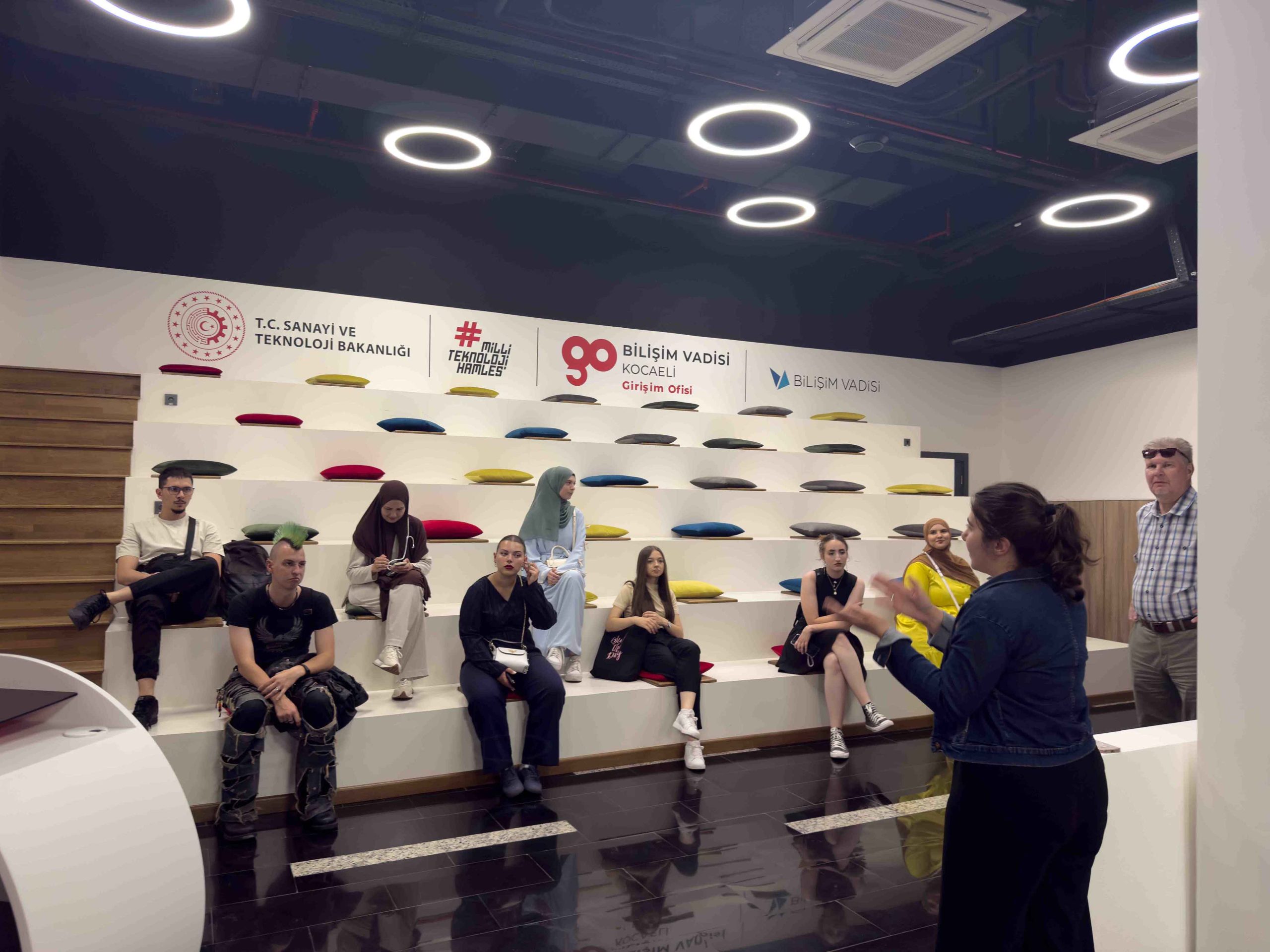
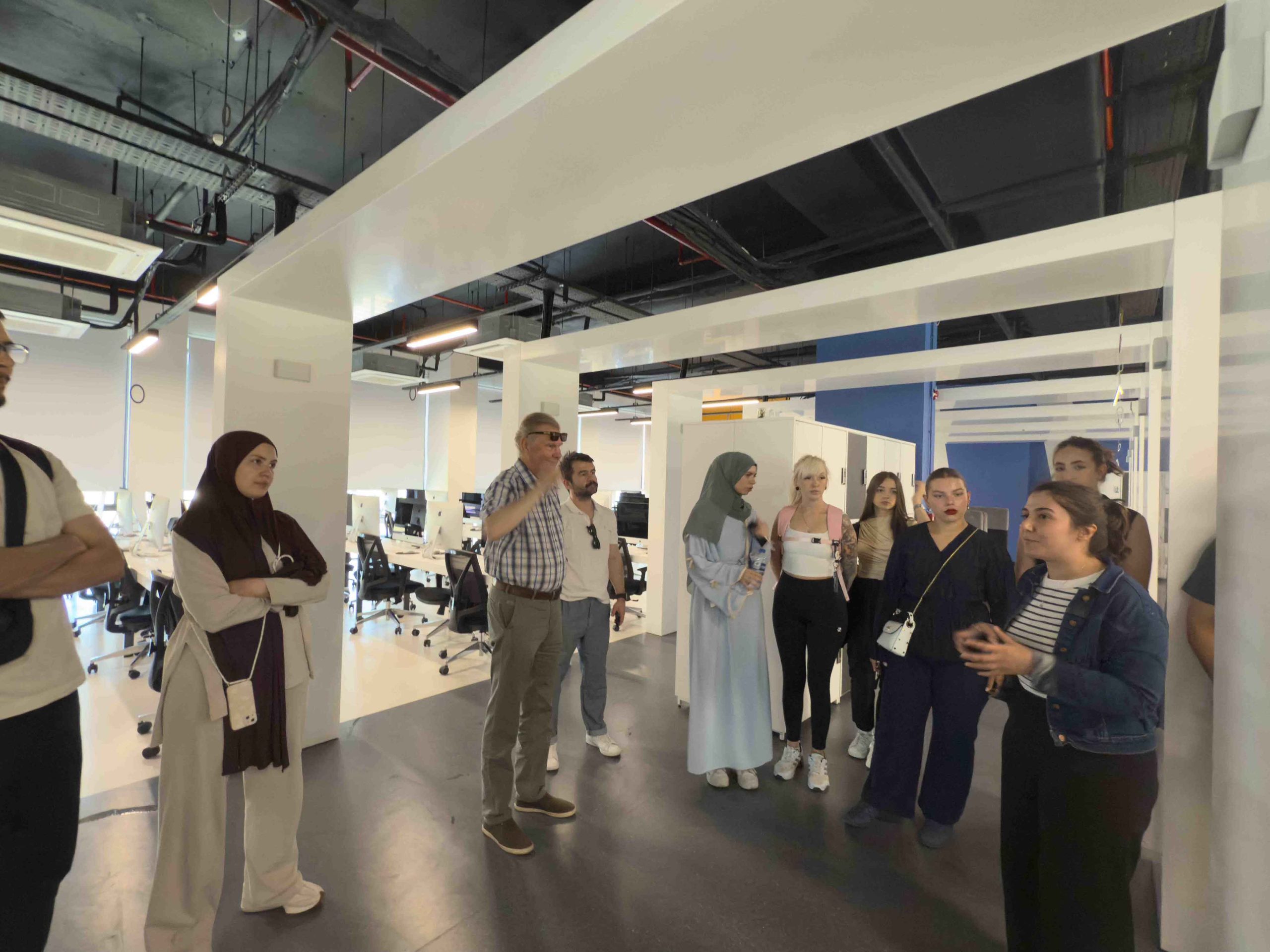
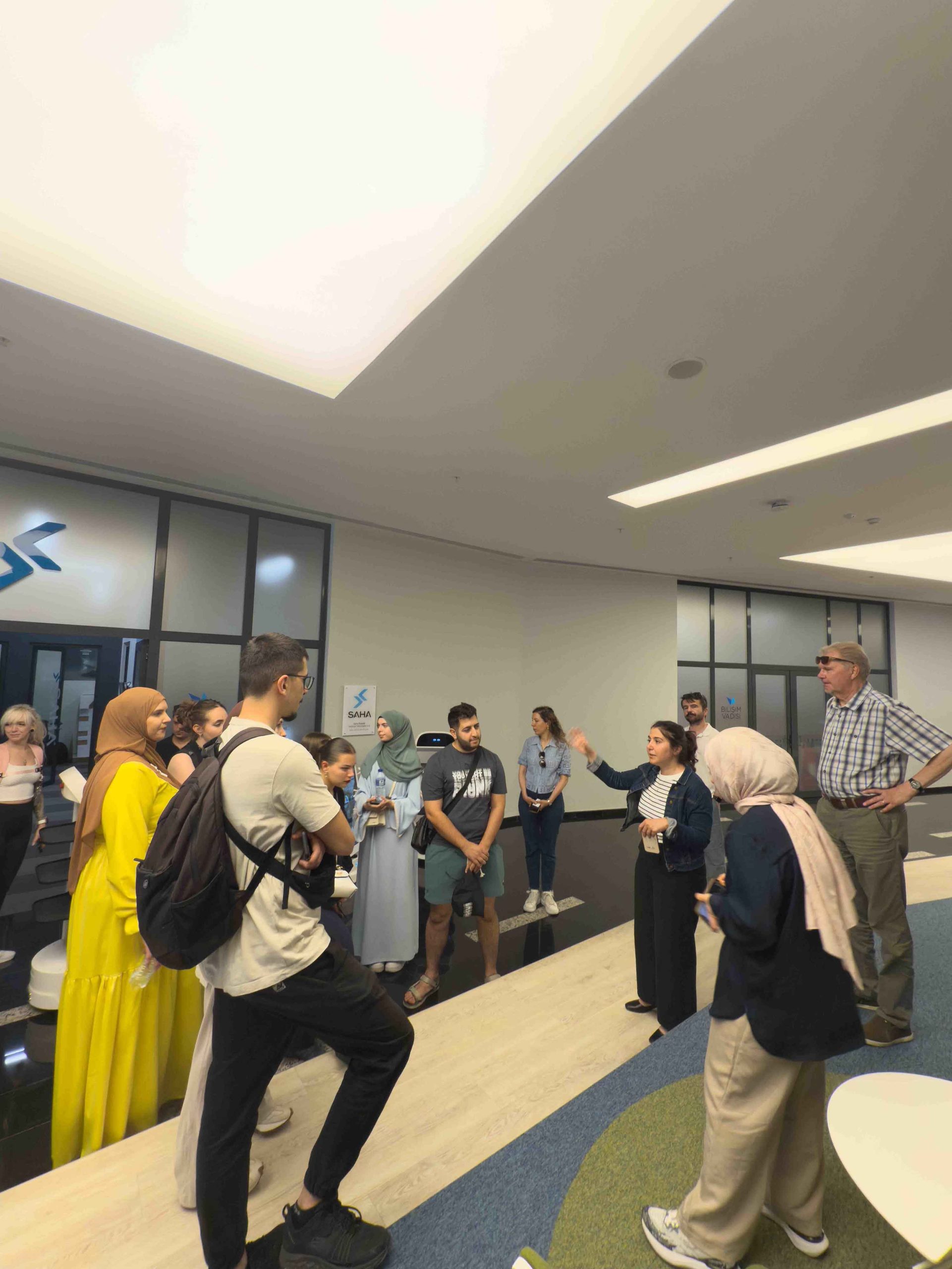
In addition, the planned technical visit was implemented as designed, providing participants with the opportunity to directly experience the entrepreneurship ecosystem. During the organized campus tour, participants received information about Bilişim Vadisi as well as the entrepreneurship ecosystem and business processes.
Within the scope of the 2024-1-TR01-KA220-ADU-000251939 FutureCraft: Empowering Visionaries for Tomorrow’s Dynamic Landscape – Future Literacy project, participants from Bosnia and Herzegovina, Norway, and Finland departed from Istanbul and returned to their home countries following the successful completion of the program. Participants’ transfer and departure processes were carried out smoothly as planned.
This website functions as a central access point for future literacy resources, including both LTT workshop materials and key outcomes generated during the project’s learning and training activities.
“Future Craft: Empowering Visionaries for Tomorrow’s Dynamic Landscape” with the number 2024-1-TR01-KA220-ADU-000251939 is supported by the European Commission under the Erasmus+ Program. However, European Commission and Turkish National Agency cannot be held responsible for the expressed herein.
